

In today’s rapidly shifting world, understanding economics is more vital than ever. As global markets evolve and new challenges emerge, staying informed becomes essential for everyone.
This article presents the top 10 best economic books to read in 2026. Our selections are designed to help you navigate complex trends, policy debates, and practical financial decisions.
You’ll discover works that blend groundbreaking research, powerful storytelling, and accessible insights. Whether you are new to economics or a seasoned professional, these books offer value for every reader.
Ready to gain a competitive edge and deepen your knowledge? Explore our curated list and empower your economic journey.
Why Read Economic Books in 2026?
In a world where change is constant, economic understanding has never been more crucial. The best economic books offer readers a lens to interpret shifting policies, market trends, and societal changes. Whether navigating personal finance or making strategic business choices, economic literacy empowers individuals to anticipate and adapt to new realities.
The Evolving Global Economy and Its Impact
The global economy has transformed rapidly in recent years. Post-pandemic recovery, technological innovation, and ongoing geopolitical tensions are reshaping markets and job landscapes. Understanding these shifts is essential for anyone seeking to make informed choices in business or personal finance.
Recent data shows increased economic uncertainty and significant changes in the workforce. Supply chain crises have disrupted industries, while AI-driven productivity is altering job requirements. Sustainability debates now influence policy decisions and investment strategies. Grasping these complexities through the best economic books can help readers navigate inflation, employment shifts, and financial planning. In fact, research shows that economic decision-making skill predicts income, highlighting the value of economic literacy for personal success.
Key Trends Shaping Economics Literature
The best economic books in 2026 reflect major shifts in both content and approach. Behavioral economics and data-driven analysis are now at the forefront, offering deeper insights into human decision-making. There is a growing emphasis on inequality, sustainability, and the rise of digital currencies, making the literature more relevant than ever.
Authors increasingly use storytelling to explain macroeconomic trends, making complex theories accessible. Topics like gender economics, climate change, and globalization are being addressed in new and engaging ways. This trend ensures that the best economic books reach broader audiences, bridging the gap between experts and everyday readers.
Who Should Read These Books?
The best economic books are valuable for a wide range of readers. Students gain academic enrichment, while professionals and entrepreneurs use these insights for strategic decision-making. Policymakers rely on economic literature for crafting effective policies, and lifelong learners benefit from enhanced financial understanding.
Statistics show rising demand for economic education in both business and government sectors. Case studies reveal that leaders and innovators often credit economic books with shaping their thinking and success. No matter your background, the best economic books can offer practical benefits for personal and professional growth.
How We Selected the Top 10 Economic Books
Our selection of the best economic books is based on rigorous criteria. We considered recent awards, such as the FT Business Book of the Year, as well as bestseller status and expert reviews. Accessibility for a broad audience was a key factor to ensure the books are useful for both newcomers and experienced readers.
We aimed for diversity in topics and perspectives, including both classic and contemporary works. The balance between theory, real-world application, and compelling storytelling was crucial. Sources included recommendations from the Financial Times, Amazon Best Sellers, and leading economists. This approach ensures our list of the best economic books is both authoritative and relevant.
Top 10 Best Economic Books to Read in 2026
Navigating the world of the best economic books can be a challenging journey, especially as new titles emerge to address shifting global realities. Whether you are a student, professional, policymaker, or lifelong learner, this curated list of the best economic books for 2026 offers you a gateway to fresh insights and practical frameworks. Each selection stands out for its relevance, depth, and accessibility, ensuring a well-rounded reading experience.
Explore these groundbreaking works to gain a deeper understanding of economic forces, policy debates, and innovative solutions shaping our future. For readers who wish to discuss these best economic books in a community setting, consider joining a Book Club for Economic Readers to deepen your engagement and broaden your perspectives.
Chip War by Chris Miller
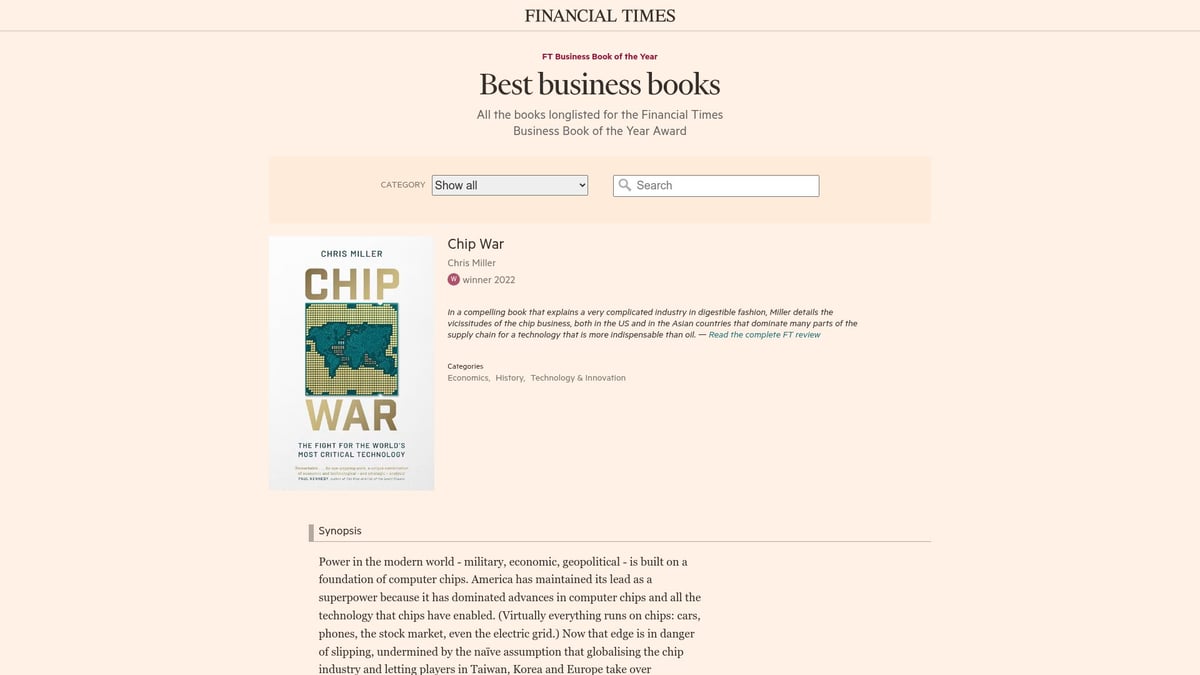
Among the best economic books for 2026, "Chip War" by Chris Miller provides a gripping exploration of the global semiconductor industry. The book's pricing ranges from $18.99 to $32.00, making it accessible in both hardcover and paperback formats.
Core Features:
- In-depth analysis of semiconductor manufacturing and its economic impact.
- Explores the geopolitical stakes of microchip production.
Key Benefits:
- Reveals why chips are considered the "new oil" of the global economy.
- Equips readers with knowledge crucial for tech and policy decision-making.
Target Audience:
- Business leaders
- Policymakers
- Technology professionals
Pros:
- Thorough research
- Timely insights
- International perspective
Cons:
- Technical sections can be dense for general audiences
Example: The global chip shortage from 2021 to 2023 disrupted supply chains, affecting industries from automotive to consumer electronics.
If you are seeking the best economic books that explain the intersection of technology and economics, "Chip War" is an essential read.
Growth by Daniel Susskind
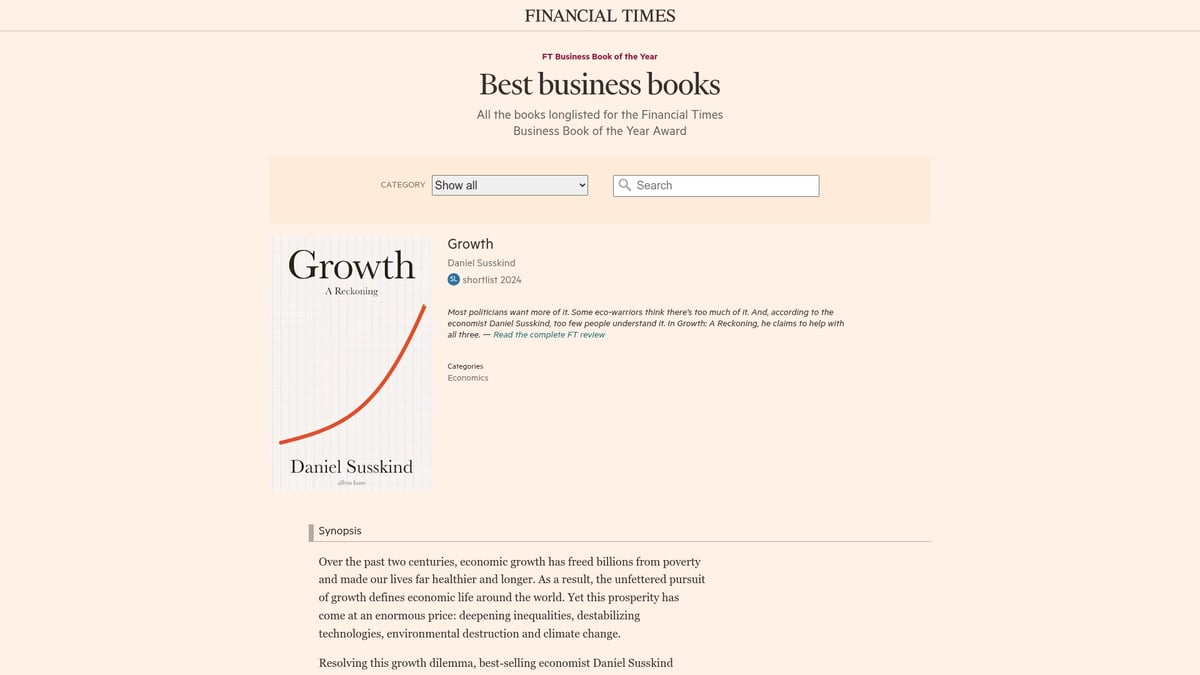
"Growth" by Daniel Susskind stands out among the best economic books for its forward-looking take on economic expansion in an era of environmental and social constraints. Priced at approximately $28.00, this title is a must for those interested in sustainable prosperity.
Core Features:
- Investigates the future of economic growth amid stagnation and environmental challenges.
- Offers interdisciplinary perspectives.
Key Benefits:
- Provides a roadmap for balancing prosperity with planetary limits.
- Encourages readers to rethink traditional growth models.
Target Audience:
- Economists
- Policymakers
- Environmentalists
Pros:
- Timely focus on sustainability
- Integrates diverse fields
Cons:
- Some theoretical content may require extra focus
Example: Susskind analyzes the hurdles and opportunities in post-pandemic economic recovery and transitions to a green economy.
For those searching for the best economic books that bridge growth and sustainability, "Growth" delivers essential insights.
Invisible Women by Caroline Criado Perez
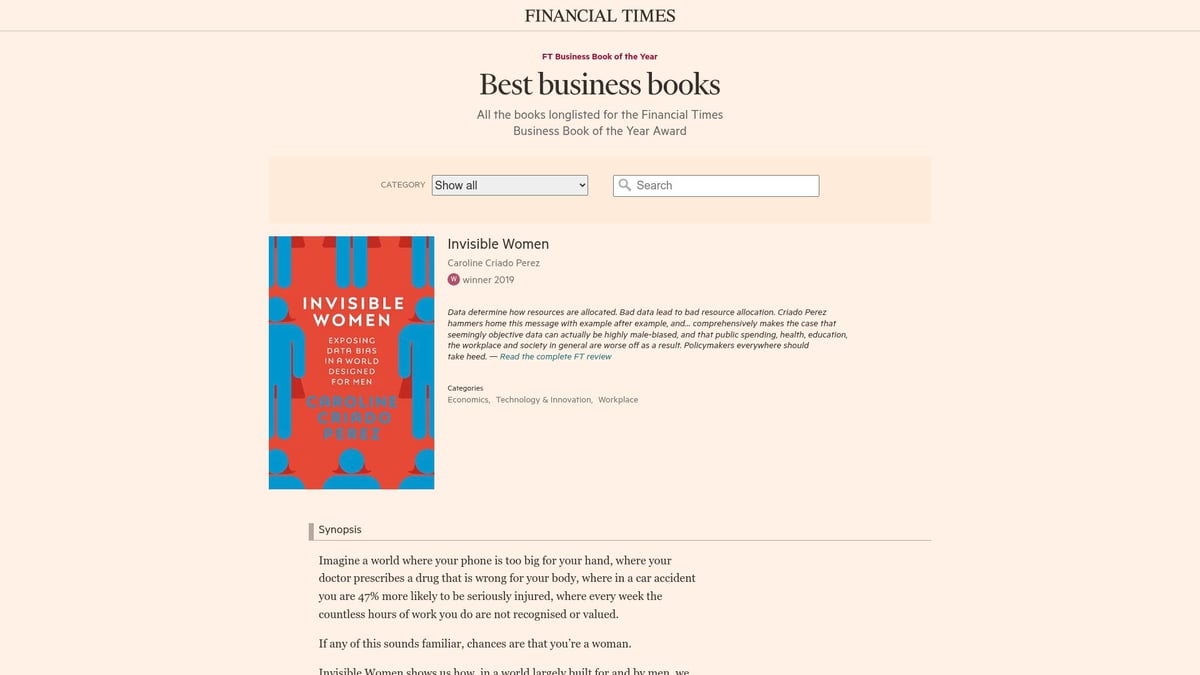
"Invisible Women" by Caroline Criado Perez is one of the best economic books addressing the critical issue of gender data gaps. With pricing between $17.00 and $28.00, it is both affordable and widely available.
Core Features:
- Illuminates systemic bias in data collection and economic analysis.
- Presents real-world examples of gender-based disparities.
Key Benefits:
- Raises awareness for policymakers and business leaders.
- Informs better, more inclusive economic decisions.
Target Audience:
- Policy analysts
- Business executives
- Social activists
Pros:
- Data-driven storytelling
- Highly accessible
- Award-winning
Cons:
- Focus is primarily on gender issues
Example: The book details how gender data gaps have led to flawed infrastructure and health policies worldwide.
If your interest lies in the best economic books that challenge conventional perspectives, "Invisible Women" is an invaluable resource.
Abundance by Ezra Klein & Derek Thompson
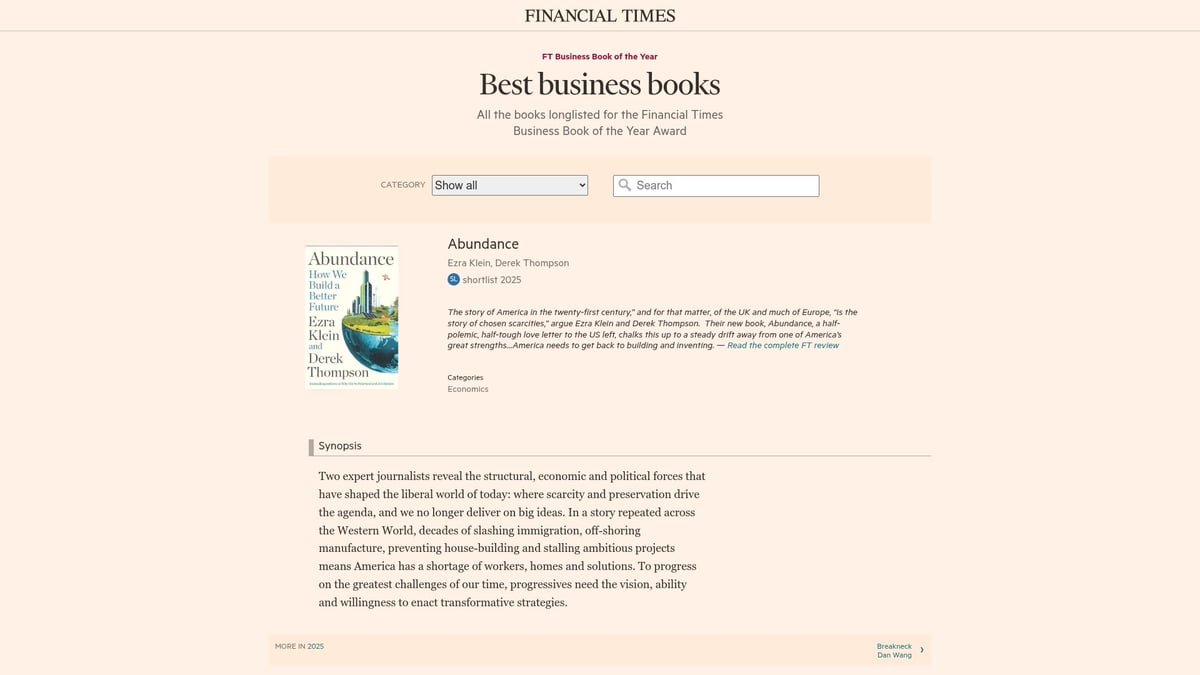
"Abundance" by Ezra Klein and Derek Thompson is among the best economic books for readers eager to explore new solutions for inequality and stagnation. The book is priced around $29.99.
Core Features:
- Explores the power of abundance thinking in reshaping economies.
- Discusses policy innovations and societal shifts.
Key Benefits:
- Offers actionable solutions to persistent economic challenges.
- Inspires optimism about the future.
Target Audience:
- Entrepreneurs
- Policymakers
- General readers
Pros:
- Provocative arguments
- Engaging narrative
Cons:
- Some ideas may appear idealistic
Example: The authors dive into universal basic income and the future of work, sparking fresh debates.
For anyone compiling a list of the best economic books that blend innovation with practical policy, "Abundance" is a must-read.
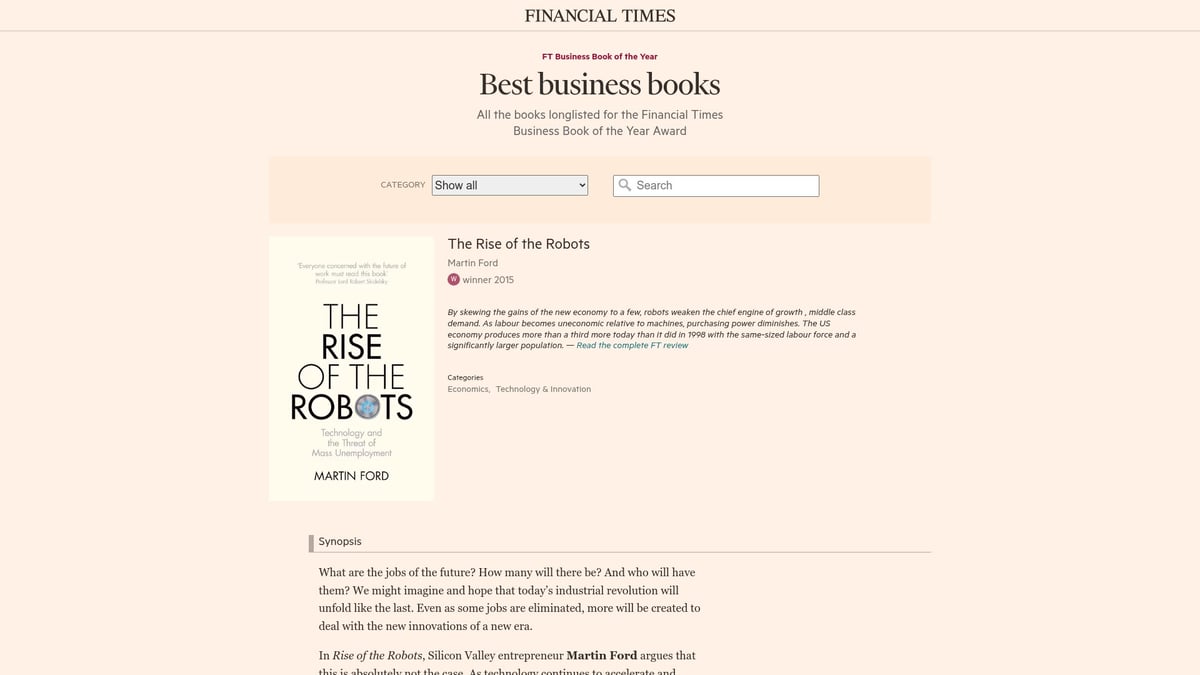
The Rise of the Robots by Martin Ford
Among the best economic books examining the future of work, "The Rise of the Robots" by Martin Ford stands out. Available for $16.99 to $27.00, it offers great value for readers.
Core Features:
- Investigates automation's impact on jobs and the global economy.
- Presents real-world case studies.
Key Benefits:
- Prepares readers for technological disruption.
- Highlights both risks and opportunities.
Target Audience:
- Business professionals
- Students
- Technologists
Pros:
- Accessible analysis
- Forward-thinking
Cons:
- Some predictions are still debated
Example: Ford details how artificial intelligence has transformed manufacturing and service industries.
If you seek the best economic books focused on automation and its consequences, this title is essential.
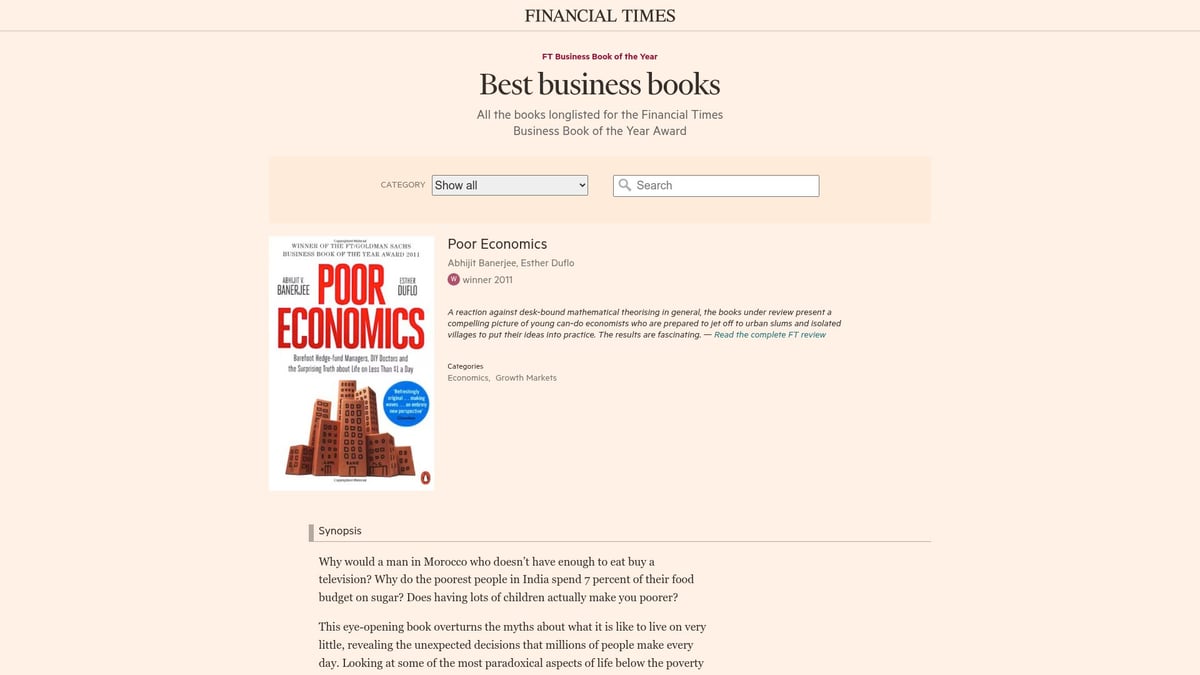
Poor Economics by Abhijit Banerjee & Esther Duflo
"Poor Economics" by Nobel laureates Abhijit Banerjee and Esther Duflo deserves its place among the best economic books for its groundbreaking poverty research. Pricing ranges from $14.99 to $26.00.
Core Features:
- Based on extensive fieldwork in developing countries.
- Examines micro-level interventions in poverty alleviation.
Key Benefits:
- Delivers practical, evidence-based solutions.
- Challenges myths about poverty and aid.
Target Audience:
- Development professionals
- Students
- Policymakers
Pros:
- Nobel Prize-winning insights
- Field-tested recommendations
Cons:
- Focused mainly on developing economies
Example: The authors analyze microfinance and behavioral interventions, showing what works and what does not.
For readers searching for the best economic books on global development, "Poor Economics" is indispensable.
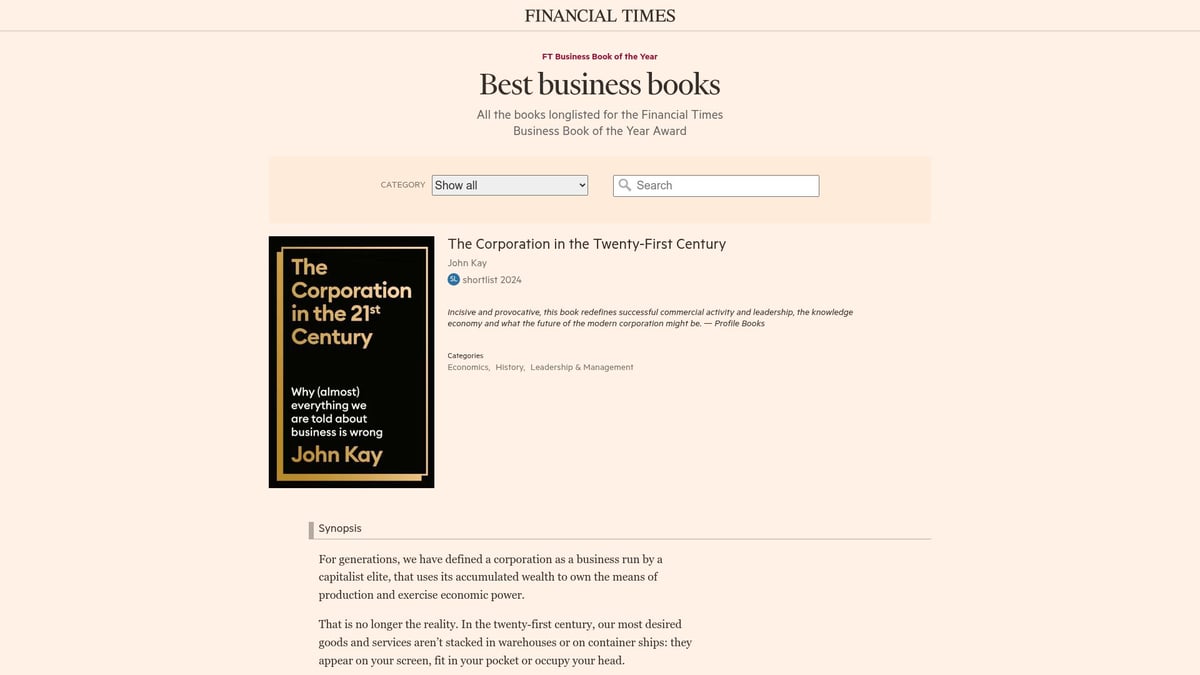
The Corporation in the Twenty-First Century by John Kay
"The Corporation in the Twenty-First Century" by John Kay is one of the best economic books for understanding the role of corporations today. Priced at around $35.00, it is a comprehensive resource for executives and policymakers.
Core Features:
- Explores the evolution of corporate governance and responsibility.
- Analyzes regulatory frameworks and case studies.
Key Benefits:
- Guides readers through the complexities of modern corporations.
- Offers insights relevant to ESG (Environmental, Social, and Governance) debates.
Target Audience:
- Executives
- Investors
- Policymakers
Pros:
- In-depth analysis
- Topical relevance
Cons:
- Academic tone may be dense for some
Example: Kay discusses corporate scandals and regulatory reforms, providing lessons for future leaders.
Those looking for the best economic books on corporate governance should not miss this title.
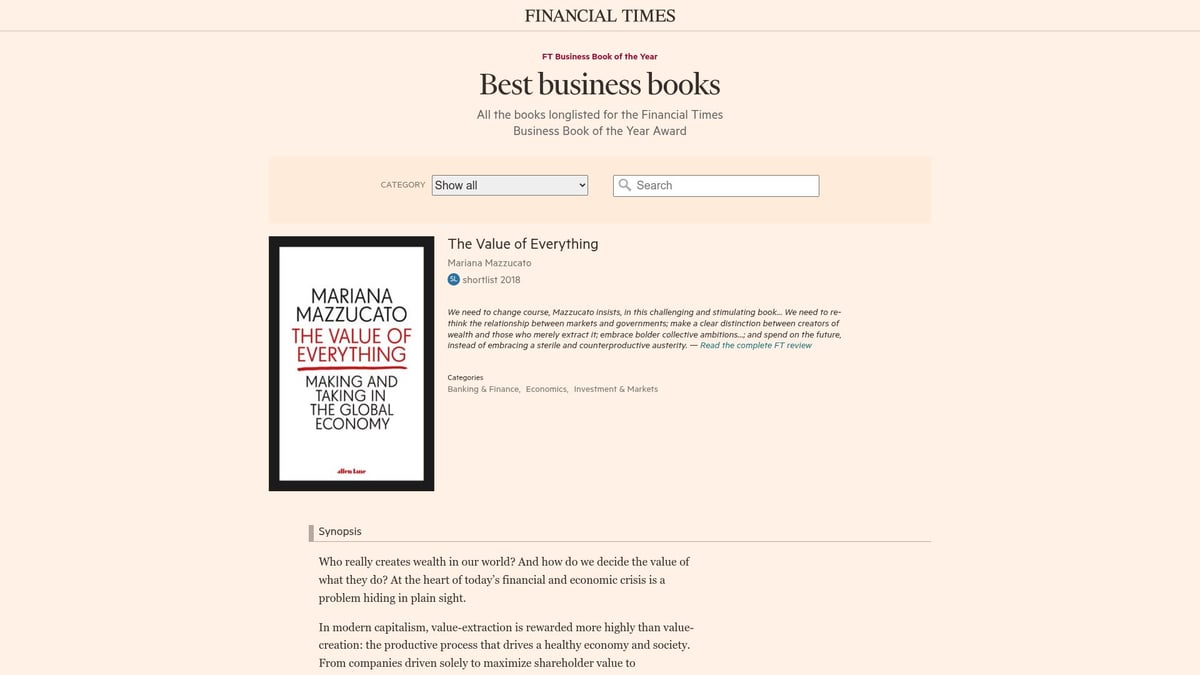
The Value of Everything by Mariana Mazzucato
"The Value of Everything" by Mariana Mazzucato earns its place among the best economic books by challenging how we define and measure value. The book is available for $18.00 to $30.00.
Core Features:
- Critiques traditional value creation models.
- Explores policy implications for innovation and public investment.
Key Benefits:
- Redefines what counts as value in the economy.
- Sparks debate on the role of government and private sector.
Target Audience:
- Economists
- Students
- Policymakers
Pros:
- Provocative and well-argued
- Policy-relevant
Cons:
- Advanced concepts may require background knowledge
Example: Mazzucato evaluates how tech giants extract value versus create it, influencing modern policy debates.
For a deeper dive into the best economic books on value and innovation, this is a top choice.
Disorder by Helen Thompson
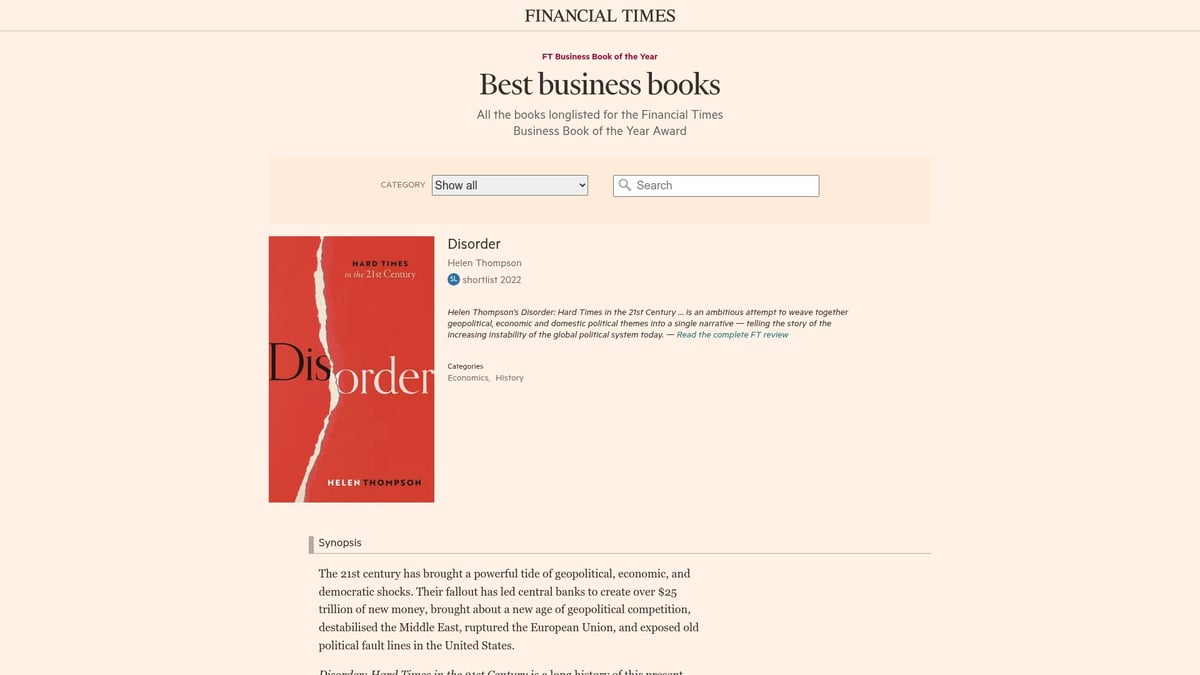
"Disorder" by Helen Thompson is a standout among the best economic books connecting energy, geopolitics, and instability. Priced at about $24.00, it offers timely analysis for today's readers.
Core Features:
- Examines the links between global energy markets and economic crises.
- Uses historical and contemporary case studies.
Key Benefits:
- Connects economic theory with real-world disruptions.
- Offers interdisciplinary insights.
Target Audience:
- Policymakers
- Historians
- Energy professionals
Pros:
- Accessible writing
- Topical analysis
Cons:
- Focused on energy-related crises
Example: Thompson details how energy shocks have contributed to global inflation and instability.
If your interest is in the best economic books that tie economics to geopolitics, "Disorder" is highly recommended.
The Third Pillar by Raghuram Rajan
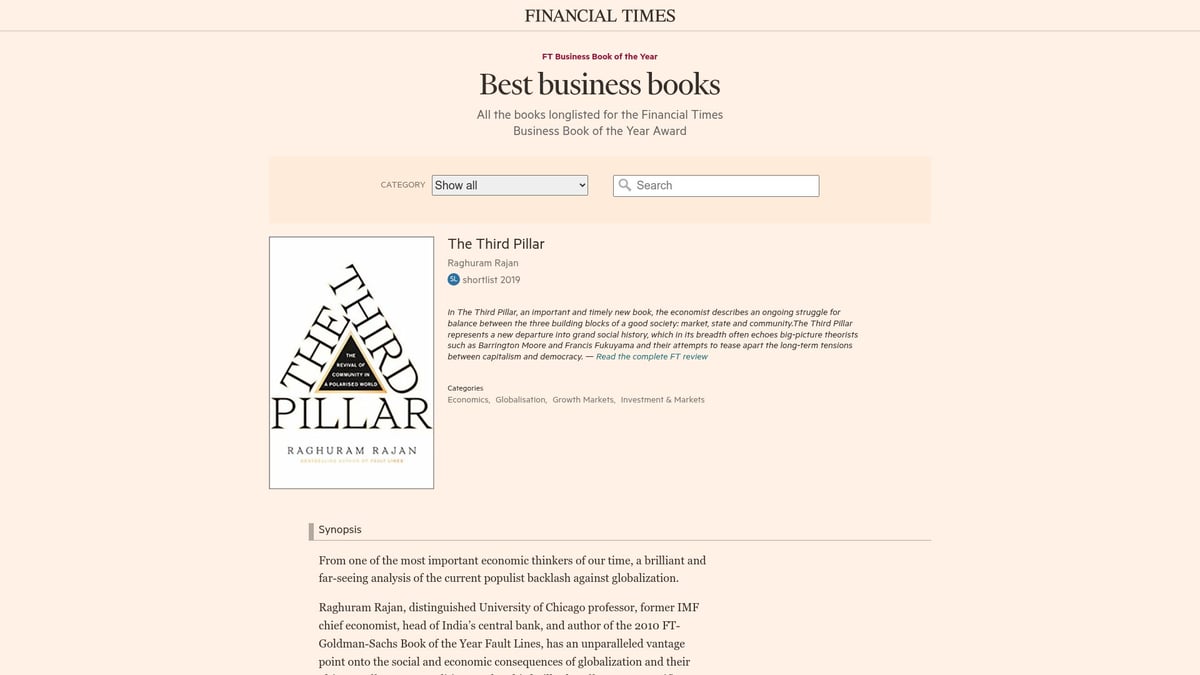
Completing our list of the best economic books is "The Third Pillar" by Raghuram Rajan. With pricing between $19.99 and $32.00, this book examines the balance between markets, government, and communities.
Core Features:
- Investigates the interplay between economic institutions and society.
- Offers a framework for restoring stability.
Key Benefits:
- Provides actionable solutions for policymakers and civic leaders.
- Addresses the social roots of economic challenges.
Target Audience:
- Economists
- Policymakers
- Community leaders
Pros:
- Practical recommendations
- Global relevance
Cons:
- Theoretical concepts may challenge newcomers
Example: Rajan explores community-based responses to globalization and economic change.
For those committed to reading the best economic books that tackle institutional reform, "The Third Pillar" is a vital addition.
How to Choose the Right Economic Book for You
Choosing from the best economic books can feel overwhelming, especially with so many new titles and classic works available. The right choice depends on your interests, goals, and how you prefer to learn. In this section, you will find practical tips to help you select a book that not only informs but also inspires.
Assessing Your Interests and Goals
Start by clarifying what you want to gain from reading the best economic books. Are you looking for foundational theory, practical financial advice, or a deep dive into global economic trends? Your professional background also matters. Students might gravitate toward accessible guides, while executives may seek advanced analysis.
Consider how storytelling impacts your learning. Research shows that narrative-based approaches, like those discussed in Simple Storytelling Boosts Financial Literacy, can enhance understanding of financial and economic concepts. Reflect on your preferences for data-driven research, case studies, or real-world applications when making your selection.
Evaluating Author Credentials and Reviews
When browsing the best economic books, always check the author's credentials. Recognized experts, such as Nobel Prize winners or authors of award-winning books, provide credibility and depth. Look for titles featured in bestseller lists or those that have received critical acclaim.
Comparing reviews from both experts and everyday readers can help you gauge the value of a book. For further recommendations on books that focus on economic and personal growth, refer to the Best Books on Growth for curated suggestions. This can give you a broader perspective on which books might align best with your learning objectives.
Understanding Book Formats and Accessibility
Today’s best economic books come in multiple formats, making them accessible to a wide audience. You can choose from print editions, eBooks, or audiobooks, each catering to different reading preferences and lifestyles.
| Format | Pros | Cons | Price Range |
|---|---|---|---|
| Tangible, easy to annotate | Bulky, less portable | $14.99–$40.00 | |
| eBook | Portable, instant access | Screen fatigue, DRM | $14.99–$35.00 |
| Audiobook | Hands-free, multitasking | Less visual reference | $18.00–$40.00 |
International readers should also check for language options and regional editions to ensure the best economic books are accessible in their preferred format.
Making the Most of Your Reading Experience
To maximize what you learn from the best economic books, engage with others through book clubs or discussion groups. These forums offer valuable opportunities to share insights, ask questions, and see how others apply economic concepts in their lives.
Set clear reading goals and track your progress throughout the year. Applying what you learn, whether by integrating ideas into professional projects or personal finance decisions, helps reinforce your understanding. Seeking out resources that use accessible language and storytelling can further enhance your experience, making complex topics easier to grasp and retain.
Economic Reading Beyond Books: Podcasts, Courses, and Communities
In today’s digital world, your learning journey does not have to stop at the best economic books. Expanding your horizons with podcasts, online courses, and communities can bring economic concepts to life. Multimedia resources offer flexible and engaging ways to deepen your understanding, making economic literacy more accessible than ever.
Expanding Your Knowledge with Multimedia Resources
The best economic books provide a strong foundation, but podcasts and online courses can keep you current with real-time developments. Popular podcasts like Freakonomics Radio, The Indicator, and the Compendium Podcast on Economics deliver expert interviews and timely discussions on market trends.
Online platforms such as Coursera and edX offer economics courses led by leading professors. These resources are ideal for learners who want to supplement their reading or fit economic learning into a busy schedule. Integrating multimedia with the best economic books helps reinforce key concepts and provides fresh perspectives.
Engaging with Book Clubs and Discussion Forums
Engaging with others through book clubs or online forums can transform how you experience the best economic books. Discussion groups, whether in-person or virtual, help clarify complex topics and encourage critical thinking.
Recent data shows a significant increase in online book club participation since 2020, driven by the need for connection and intellectual growth. Joining a group dedicated to the best economic books ensures accountability and exposes you to diverse viewpoints. Social media groups and specialized forums offer spaces to ask questions and share insights, making economic learning a shared adventure.
Leveraging Author Events and Webinars
Attending author events and webinars is a powerful way to enrich your understanding of the best economic books. Live Q&A sessions, virtual book launches, and panel discussions offer direct access to thought leaders. These events allow you to interact with authors, clarify difficult concepts, and gain insider perspectives on current economic debates.
Networking with fellow attendees at these events can also open doors to new opportunities and collaborations. Whether you are a student, professional, or lifelong learner, participating in these activities can help you get more value from the best economic books and stay updated on the latest research.
Building a Lifelong Economic Learning Habit
Building a habit of continuous learning is essential for anyone committed to reading the best economic books. Set achievable reading goals, such as one book a month or an annual reading challenge. Track your progress using digital tools or a simple journal.
Diversify your sources by combining books with podcasts, articles, and community discussions. Curated reading lists and recommendations from trusted experts can help you choose your next title. By making economic learning part of your routine, you will stay informed and adaptable in a rapidly changing world.
Now that you’ve explored the top 10 economic books to read in 2026 and discovered how these insights can shape your understanding of the global landscape, why not continue your learning journey with even more expert recommendations? Whether you’re a business leader, student, or lifelong learner, staying ahead of economic trends is key to making informed decisions and driving impact. If you’re ready to dive deeper into the essential reads shaping the future of business and finance, check out our curated collection of the Best Business Books 2026 for further inspiration and growth.
0 comments