

Staying competitive as a writer in 2026 means having the best tools at your fingertips. The landscape is evolving, and every author needs a reliable edge to keep their craft sharp and their creativity thriving.
The right books for authors do more than inspire—they build skills, unlock new techniques, and pave the way for long-term success. Whether you are starting out or refining your voice, the right guidance is crucial.
This article reveals nine essential books for authors that can transform your approach to writing. Each title is carefully chosen to help you grow, no matter your experience level.
Ready to elevate your writing? Discover which resources will make the difference and learn how to apply their insights in your own work.
The Power of Reading to Improve Writing
Reading is the secret ingredient that transforms good writers into great ones. For those searching for the best books for authors, understanding the science behind reading and writing mastery is the first step toward elevating your craft. Reading does more than fill your mind with stories; it rewires your brain for creativity, clarity, and success as an author.
The Science Behind Reading and Writing Mastery
The connection between reading and writing is both intuitive and evidence-based. When writers immerse themselves in books for authors, they gain more than inspiration—they develop advanced vocabulary, nuanced style, and deeper comprehension.
Studies consistently reveal that prolific readers become accomplished writers. In fact, 72% of bestselling authors report reading at least 30 books a year, according to Writers Digest (2023). This commitment leads to measurable improvements in writing performance, as confirmed by this meta-analysis of reading interventions on writing.
| Statistic | Value |
|---|---|
| Bestselling authors reading 30+ books/year | 72% |
| Improved writing performance from reading | Proven |
Exposure to a wide range of genres and voices encourages creativity and originality. Renowned authors like Stephen King and Margaret Atwood often cite their voracious reading habits as the cornerstone of their success.
Critical reading, rather than passive consumption, allows writers to identify what works in published texts. This skill enables more effective self-editing and manuscript improvement, making books for authors a vital part of every writer’s toolkit.
How the Right Books Shape Your Authorial Voice
Not all reading is created equal. While passive reading entertains, active, analytical reading empowers writers to dissect structure, tone, and character development. This approach is what separates casual readers from those who leverage books for authors to transform their craft.
Mentor texts provide blueprints for success. By analyzing works within your chosen genre, you can identify techniques that resonate and adapt them to your style. Stephen King, for example, credits his reading list with teaching him pacing and suspense, while Margaret Atwood draws on literary influences to shape her unique voice.
Building a personalized reading list is essential. Consider your genre, writing goals, and current skill level. Blend fiction and nonfiction to develop a balanced skill set. Over time, this intentional approach to books for authors will sharpen your narrative instincts and help you develop an authentic, compelling voice.
9 Essential Books For Authors to Elevate Your Writing in 2026
Choosing the right books for authors has never been more crucial than in 2026. The publishing landscape is evolving, and writers must keep pace with both foundational craft and cutting-edge trends. The following list combines timeless classics and recent releases, each selected for its power to unlock new levels of creativity, technical skill, and professional insight.
Whether you are an emerging writer building your toolkit or an established author looking to refine your craft, these books for authors deliver the guidance, inspiration, and expertise needed for continued growth. Explore how each title can help you master the art and business of writing.
1. Story Genius by Lisa Cron
"Story Genius" has become a cornerstone among books for authors who want to understand the science behind compelling storytelling. Lisa Cron dives into the cognitive processes that drive readers to care about characters and plot, grounding her advice in neuroscience.
This book stands apart because it offers a step-by-step method for constructing stories from the inside out. Cron emphasizes building characters with emotional depth and ensuring every plot point ties back to their internal motivations. Each chapter contains actionable exercises, making this one of the most practical books for authors seeking to create stories that resonate.
Who should read it?
- Fiction writers and novelists looking for a structured approach
- Screenwriters aiming for emotional impact
Pros:
- Based on brain science and psychology
- Clear, actionable guidance
- Encourages deeper character arcs
Cons:
- Less applicable for nonfiction writers
- Minimal focus on editing
Writers seeking to elevate their storytelling will find this an indispensable addition to their shelf of books for authors.
2. On Writing: A Memoir of the Craft by Stephen King
Stephen King's "On Writing" blends memoir with practical wisdom, offering a candid look at the journey from aspiring writer to bestselling author. Among books for authors, this stands out for its authenticity and accessibility.
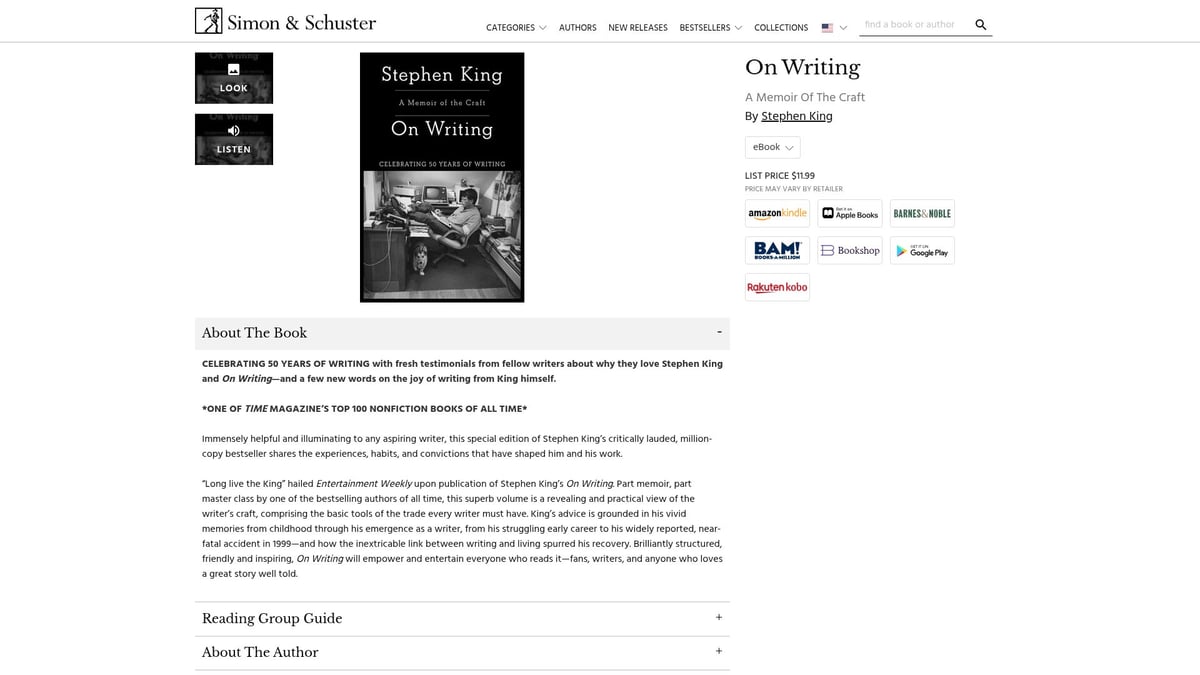
King shares lessons learned through decades of writing, from the discipline required to finish a first draft to the importance of revision and perseverance. He delivers advice on style, process, and the habits that sustain a writing career. Many authors turn to this book for motivation and reassurance during creative slumps.
Who should read it?
- All writers, regardless of genre or experience
- Anyone seeking inspiration and practical strategies
Pros:
- Honest, engaging storytelling
- Real-world advice grounded in experience
- Encourages resilience and consistency
Cons:
- Some guidance is based on personal preference
- Less emphasis on technical craft
For those searching for books for authors that inspire as much as they instruct, King's work remains a perennial favorite.
3. Save the Cat! Writes a Novel by Jessica Brody
"Save the Cat! Writes a Novel" adapts the iconic screenwriting method for novelists, making it a vital entry in modern books for authors. Jessica Brody translates the 15-beat story structure into an accessible roadmap for plotting, pacing, and genre conventions.
This book demystifies the structure underlying successful novels, providing genre-specific templates and practical tools. Beginners appreciate its step-by-step guidance, while experienced writers use it as a diagnostic tool for troubleshooting plot issues. The clear breakdown of beats and tropes helps authors see patterns in popular fiction.
Who should read it?
- Plotters and genre fiction writers
- Beginners seeking a framework
Pros:
- User-friendly, with examples across genres
- Practical worksheets and checklists
- Widely applicable to commercial fiction
Cons:
- Can feel formulaic for advanced writers
- Less focus on character development
Writers looking for books for authors to clarify story structure will find Brody's guide both insightful and practical.
4. The Elements of Style by William Strunk Jr. & E.B. White
Few books for authors have achieved the iconic status of "The Elements of Style." This concise guide distills essential rules for grammar, usage, and composition, making it an enduring reference for writers across genres.
Strunk and White emphasize clarity, brevity, and precision, offering principles that remain relevant in both print and digital writing. While some recommendations may feel traditional, the core lessons help writers self-edit and refine their voice. This book is especially useful during the revision stage.
Who should read it?
- Students, professionals, and writers of all backgrounds
- Anyone aiming to polish their prose
Pros:
- Timeless, authoritative advice
- Easy to reference for quick answers
- Encourages disciplined, effective writing
Cons:
- Some rules may feel outdated
- Not tailored to genre-specific writing
Among books for authors, "The Elements of Style" is a must-have for those dedicated to clarity and professionalism.
5. Bird by Bird: Some Instructions on Writing and Life by Anne Lamott
Anne Lamott's "Bird by Bird" offers a refreshing blend of humor, honesty, and insight, making it a standout among books for authors seeking both craft advice and emotional support. Lamott tackles the realities of the writing life, from battling perfectionism to finding joy in small steps.
Her personal anecdotes and practical tips resonate with writers facing creative blocks or self-doubt. Rather than focusing on technical detail, Lamott emphasizes mindset, perseverance, and the importance of community. This book reminds authors that every manuscript is built one word at a time.
Who should read it?
- Writers seeking encouragement and motivation
- Those struggling with writer’s block or anxiety
Pros:
- Relatable, witty storytelling
- Deeply encouraging and compassionate
- Addresses emotional challenges of writing
Cons:
- Less technical or step-by-step instruction
- Focuses more on mindset than mechanics
For books for authors that nurture both craft and confidence, "Bird by Bird" is an enduring companion.
6. Writing Down the Bones: Freeing the Writer Within by Natalie Goldberg
"Writing Down the Bones" merges Zen philosophy with the practice of writing, offering one of the most unique books for authors. Natalie Goldberg encourages writers to embrace freewriting, meditation, and observation as tools for unlocking creativity.
The book is structured as a series of short essays, each with prompts or exercises designed to bypass internal censors and spark authentic expression. Goldberg’s approach is especially helpful for those seeking to develop a daily writing habit or break through creative stagnation.
Who should read it?
- Creative writers, poets, and journalers
- Anyone seeking greater freedom and spontaneity
Pros:
- Inspirational, accessible style
- Practical exercises for daily practice
- Focuses on process over product
Cons:
- Less structured for those needing step-by-step plans
- May feel abstract to some writers
Writers looking for books for authors that foster creativity and flow will find Goldberg’s work transformative.
7. The Emotional Craft of Fiction by Donald Maass
Donald Maass's "The Emotional Craft of Fiction" addresses a challenge many books for authors overlook: how to create emotional resonance that grips readers. Maass provides in-depth techniques for elevating fiction from competent to captivating.
He explores methods for deepening character emotions, layering subtext, and crafting scenes that evoke powerful responses. This book is especially valuable for intermediate and advanced writers who want to move beyond surface-level storytelling.
Who should read it?
- Fiction writers ready to deepen their craft
- Authors seeking to engage readers on an emotional level
Pros:
- Transformative, practical insights
- Exercises for developing emotional depth
- Detailed analysis of successful fiction
Cons:
- Best suited for those with some writing experience
- Focused primarily on fiction
Among books for authors, Maass’s guide is essential for creating stories that truly move audiences.
8. Steering the Craft by Ursula K. Le Guin
"Steering the Craft" is a masterclass in narrative technique, cementing its place among advanced books for authors. Ursula K. Le Guin blends theory with hands-on exercises, encouraging writers to experiment with voice, point of view, and sentence rhythm.
The book is organized around discussion prompts and group activities, making it ideal for writing workshops or solo study. Le Guin’s expertise shines in her analysis of literary technique, challenging writers to refine their style and narrative control.
Who should read it?
- Literary fiction writers and writing groups
- Authors interested in advanced craft topics
Pros:
- Thought-provoking, expert guidance
- Practical exercises foster experimentation
- Covers voice, style, and narrative perspective
Cons:
- May be challenging for beginners
- Less focus on commercial genres
For authors seeking books for authors that push creative boundaries, Le Guin’s text is an invaluable resource.
9. The Business of Being a Writer by Jane Friedman
While many books for authors focus on craft, Jane Friedman’s "The Business of Being a Writer" prepares authors for the realities of the writing industry. This comprehensive guide covers publishing options, building an author platform, and navigating contracts and marketing.
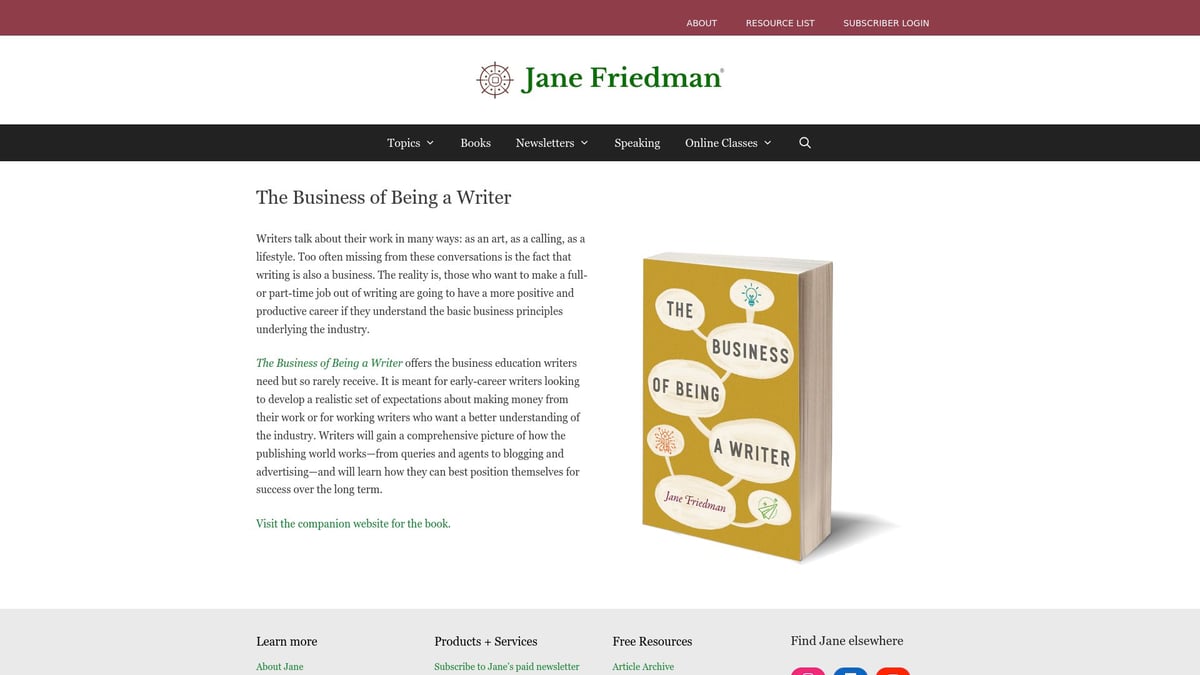
Friedman offers up-to-date advice tailored to the 2026 publishing landscape, making this book essential for anyone serious about a sustainable writing career. She demystifies the business side, empowering writers to make informed decisions and avoid common pitfalls.
Who should read it?
- Aspiring and established authors pursuing publication
- Freelancers and hybrid authors
Pros:
- Comprehensive, current industry insights
- Actionable steps for career growth
- Realistic, practical advice
Cons:
- Less focus on creative craft
- Some sections may not apply to hobbyists
For books for authors determined to thrive in today’s market, Friedman’s guide is indispensable. For more resources to fuel your personal and professional development, explore the Best Books on Growth.
Comparison Table: Pros and Cons of Each Book
| Book Title | Key Pros | Key Cons |
|---|---|---|
| Story Genius | Brain science, actionable, deep character work | Not for nonfiction, little editing focus |
| On Writing | Honest, inspiring, process-focused | Personal bias, less technical |
| Save the Cat! Writes a Novel | Accessible, practical, genre templates | Formulaic for some, less on character |
| The Elements of Style | Concise, authoritative, timeless | Dated in places, prescriptive |
| Bird by Bird | Encouraging, relatable, humorous | Less technical, mindset focus |
| Writing Down the Bones | Creative, accessible, process-oriented | Less structured, abstract for some |
| The Emotional Craft of Fiction | Deep, practical, transformative | For experienced writers, fiction focus |
| Steering the Craft | Advanced, thought-provoking, exercises | Challenging for beginners, niche focus |
| The Business of Being a Writer | Comprehensive, actionable, up-to-date | More business, less craft |
These books for authors represent the best blend of inspiration, technique, and industry knowledge available in 2026. By curating a reading list from this selection, writers can address every stage of their journey—craft, creativity, and career.
How to Choose the Right Book for Your Writing Journey
Selecting the right books for authors is a pivotal step in any writing journey. With countless resources available, knowing which titles align with your aspirations can make all the difference. The right choice not only accelerates your growth but also keeps you motivated and informed as the industry evolves.
Assess Your Current Level and Goals
Begin by evaluating where you stand as a writer. Are you just starting out or seeking to refine advanced techniques? Clarifying your goals helps narrow down the most relevant books for authors at your stage. For example, beginners might seek foundational guides, while experienced writers could benefit from advanced craft or industry-focused titles.
Match Books to Your Genre and Needs
Not all books for authors serve the same purpose. Consider your genre, preferred style, and the specific challenges you face. If you write fiction, you might prioritize books on storytelling and character development. Nonfiction writers, on the other hand, may look for resources on structure and clarity. Review the table below for a quick overview:
| Writer Type | Recommended Focus | Example Title |
|---|---|---|
| Beginner Fiction | Plot Structure, Basics | Save the Cat! Writes a Novel |
| Advanced Nonfiction | Industry, Publishing | The Business of Being a Writer |
| All Levels | Clarity, Editing | The Elements of Style |
Balance Craft, Inspiration, and Industry Knowledge
A well-rounded reading list includes books for authors that enhance both skill and motivation. Balance technical manuals with inspiring memoirs and up-to-date industry guides. This approach ensures you stay both creative and prepared for the realities of publishing.
If you are considering traditional publishing, exploring resources like How to Publish a Book Traditionally can help you align your reading choices with your publishing ambitions.
Use Reviews, Recommendations, and Sample Chapters
Before committing to new books for authors, read reviews and sample chapters. Recommendations from trusted peers or writing groups can highlight resources that have made a real impact. According to recent data, 58% of writers cite finding the “right book at the right time” as pivotal to their breakthroughs.
Build a Sustainable Reading Habit
Finally, make reading a regular part of your writing routine. Consistent exposure to high-quality books for authors fosters ongoing growth, keeps you inspired, and sharpens your craft over time.
Integrating Lessons from Essential Books into Your Daily Writing Practice
Unlocking the full potential of books for authors requires more than reading alone. To see real improvement, you need to intentionally weave the insights from these resources into your everyday writing routine.
Begin by building a personalized action plan after finishing each book. Identify two or three actionable takeaways and draft a checklist of steps to implement them. For example, if a book suggests daily freewriting, schedule this practice into your calendar.
Utilize the exercises and prompts provided by these books for authors. Incorporate them directly into your drafts or use them as warm-ups. Regularly engaging with structured activities, as discussed in resources like Writing to Read: Evidence for How Writing Can Improve Reading, reinforces the connection between theory and practice.
Accountability accelerates progress. Join a writing group or partner with a peer to share your goals and receive feedback. Collaborating with others can keep you motivated and provide fresh perspectives on how you apply book insights.
Track your growth over time. Keep a journal or spreadsheet to monitor which techniques you have tried and which milestones you have reached. Celebrate small victories, such as completing a weekly challenge inspired by a book exercise. This approach ensures that lessons from books for authors become a tangible part of your writing journey.
Now that you've explored the nine essential books that can elevate your writing in 2026, you might be wondering what to read next to keep your momentum going. Whether you're aiming to sharpen your craft, expand your influence, or simply find inspiration for your next chapter, discovering the right book at the right time is key. If you're ready to take the next step and explore more titles curated specifically for authors and leaders like you, I invite you to Checkout our Staff Picks:
These selections are handpicked to help you grow, write, and lead with greater impact.
0 comments