

Are your meetings draining your team’s energy instead of driving results? You are not alone. Death by meeting has become a real threat to productivity in 2026.
Countless leaders express growing frustration with endless, ineffective meetings that waste time and demotivate teams. Studies reveal that up to 50% of meeting time is unproductive, costing organizations millions and leading to disengaged employees.
Imagine the benefits of mastering productive meetings: better decisions, higher morale, and faster business growth. When you transform death by meeting into a leadership advantage, your team thrives.
This guide gives you proven strategies, step-by-step frameworks, and expert insights to eliminate death by meeting. You will discover the root causes of ineffective meetings, modern meeting structures, actionable improvement steps, the latest technology trends, and best practices for lasting change.
Ready to turn meetings from time-wasters into powerful tools? Let’s get started.
Understanding “Death by Meeting”: Why Most Meetings Fail
Is your calendar packed with meetings, yet your team’s progress stalls? The term death by meeting has become a warning sign for organizations that struggle to turn discussions into action. Understanding why so many meetings fail is the first step to reclaiming valuable time and boosting productivity.

The Real Cost of Ineffective Meetings
The financial and human cost of death by meeting is staggering. According to recent data, 71% of senior managers believe meetings drain resources and are largely unproductive. U.S. businesses lose an estimated $37 billion each year due to wasted meeting time.
| Impact Area | Statistic/Example |
|---|---|
| Senior Managers | 71% view meetings as unproductive |
| Financial Loss | $37 billion lost annually |
| Employee Time | Up to 50% of meeting time wasted |
| Company Example | Tech firm loses 20% of work hours weekly |
These meetings also erode morale and increase turnover. For a deeper dive into meeting trends and how technology is shaping the landscape, see the State of Meetings 2026 Report. It’s clear that addressing death by meeting is essential for every organization.
Core Problems Identified by Patrick Lencioni
Patrick Lencioni’s research reveals that boredom and disengagement often stem from a lack of healthy conflict. When teams avoid debate, meetings become tedious. Another driver of death by meeting is the confusion caused by blending different purposes into one session. This “meeting stew” leads to unclear outcomes and wasted potential.
Most meetings lack focus because objectives are either vague or missing entirely. Overloaded agendas only add to the confusion, leaving participants unsure of what truly matters. Without structure, death by meeting becomes inevitable.
Common Meeting Pitfalls in 2026
The workplace has changed, but death by meeting persists in new forms. Remote and hybrid setups can cause disengagement, multitasking, and technical disruptions. Teams now face:
- Information overload and decision fatigue
- Cultural and generational misunderstandings
- Difficulties with inclusion and participation
Consider a hybrid team struggling to keep remote members involved. These pitfalls make it easy for death by meeting to take over, unless leaders adapt their approach.
The Psychological Impact of Bad Meetings
Death by meeting not only wastes time but also impacts mental well-being. Employees experience meeting fatigue, especially with back-to-back video calls. This constant drain reduces creativity and innovation.
Over time, stress grows and job satisfaction drops. The psychological toll of death by meeting can ripple across the entire organization, making it harder to retain top talent and sustain motivation.
Why Fixing Meetings Matters for Leaders
Leaders have a direct influence on the culture and effectiveness of meetings. Studies show a strong link between meeting quality and organizational performance. When death by meeting is addressed, teams make better decisions, morale improves, and business outcomes accelerate.
Organizations that prioritize effective meetings gain a competitive edge. By setting the tone, modeling best practices, and fostering engagement, leaders can transform death by meeting into a catalyst for growth.
The Modern Meeting Framework: Structures for Success
The battle against death by meeting demands a modern framework that is both practical and adaptable. Leaders in 2026 are discovering that the right meeting structures can transform wasted time into a catalyst for growth. Let us explore the essential elements that set high-performing teams apart.

Four Types of Meetings for Maximum Impact
To overcome death by meeting, organizations must move beyond generic gatherings. The modern framework identifies four core meeting types:
- Daily Check-In: A fast-paced, 5-minute stand-up for team alignment.
- Weekly Tactical: A focused 45-90 minute session for immediate priorities.
- Monthly Strategic: A two-hour deep dive for major challenges and opportunities.
- Quarterly Off-Site Review: A comprehensive session for big-picture strategy and development.
Each meeting type serves a distinct purpose. This intentional design ensures that no time is lost to unclear objectives or redundant discussions. By mapping every meeting to its purpose, teams reclaim control and drive results, making death by meeting a thing of the past.
Matching Meeting Type to Purpose
Not all issues belong in the same room, and mixing agendas is a recipe for death by meeting. Leaders must carefully match topics to the right meeting type. For example:
- Daily Check-Ins handle quick updates and blockers.
- Weekly Tactical meetings address operational metrics and urgent items.
- Monthly Strategic sessions focus on market trends and innovation.
- Quarterly Off-Sites evaluate long-term goals and team development.
A clear distinction between meeting types prevents confusion and helps teams stay focused. When purpose and format align, meetings become engines of progress, not sources of frustration.
Essential Elements of Productive Meetings
Every effective meeting includes a few non-negotiable elements. To eliminate death by meeting, ensure the following:
- Defined Objectives: Each agenda starts with clear goals.
- Real-Time Agendas: Adjust topics dynamically to stay relevant.
- Outcome Focus: Track metrics and assign action items as you go.
Research shows that understanding meeting goals drives intentionality and success. For a deeper dive on this approach, see Mental Models of Meeting Goals.
By building meetings around these essentials, leaders create clarity and accountability. This structure transforms meetings from energy drains into powerful tools for decision-making.
Encouraging Constructive Conflict and Engagement
Stagnant meetings breed death by meeting, but healthy conflict fuels innovation. Leaders should:
- Set ground rules for open debate.
- Use structured techniques to surface differing views.
- Encourage quieter voices with round-robin sharing or anonymous polls.
A culture of respectful disagreement leads to better ideas and stronger teams. When engagement becomes the norm, death by meeting is replaced by dynamic, creative problem-solving.
The Leader’s Role as Facilitator
Effective leaders do not just manage meetings, they architect engagement. The facilitator’s job is to:
- Keep discussions on track and inclusive.
- Balance participation between in-person and remote members.
- Assign roles like timekeeper or note-taker to share responsibility.
By modeling active listening and fair process, leaders set the standard for meeting excellence. This approach is the antidote to death by meeting, inspiring teams to contribute their best.
Case Study: Transforming a Dysfunctional Meeting Culture
Consider a company struggling with chronic death by meeting. Meetings ran long, decisions stalled, and morale suffered. By adopting the modern meeting framework, they redefined each gathering’s purpose, implemented real-time agendas, and empowered facilitators.
Within one quarter, meeting satisfaction scores jumped. Productivity increased as teams focused on outcomes and accountability. The transformation was measurable: fewer meetings, better results, and a culture where every voice mattered.
Step-by-Step Guide: Mastering Productive Meetings in 2026
Running effective meetings is a vital leadership skill in 2026. If you are tired of the death by meeting syndrome, this step-by-step guide will help you transform every gathering into a productive, energizing session. Let’s break down each phase of the process, with actionable tactics and real-world examples, to ensure your meetings drive results, not frustration.

Step 1: Audit and Analyze Your Current Meetings
Start by taking a hard look at your organization’s meeting habits. Gather data on how often you meet, the average duration, who attends, and what outcomes are achieved. Ask your team for honest feedback about what works and what does not. Use surveys, one-on-one check-ins, or even anonymous polls.
Identify patterns that contribute to death by meeting, such as meetings that run over time, lack clear goals, or leave participants disengaged. Consider using simple analytics tools to track meeting ROI. For example, compare total hours spent in meetings each week against tangible results or decisions made.
A quick audit template:
| Meeting Type | Frequency | Avg. Duration | Purpose | Outcome |
|---|---|---|---|---|
| Weekly Team | 1x/week | 60 min | Updates | Tasks |
| Project Sync | 2x/week | 30 min | Review | Actions |
This clarity will help you spot inefficiencies and set a foundation for improvement.
Step 2: Define Clear Meeting Objectives and Outcomes
Every meeting should have a specific purpose. Avoid death by meeting by stating clear objectives in every invitation. Use SMART goals (Specific, Measurable, Achievable, Relevant, Time-bound) to define what you want to accomplish.
For example, instead of “Discuss project update,” try “Review Q2 milestones and assign next steps for marketing launch.” Communicate the agenda and expectations for preparation in advance.
Sample meeting invite:
Subject: Weekly Tactical – Review Q2 Milestones

Objective: Validate current progress, resolve blockers, assign next steps.
Preparation: Review attached metrics, bring questions.
Outcome: List of assigned action items.
When everyone knows the goal, meetings become focused and purposeful.
Step 3: Structure Agendas for Focus and Flexibility
A well-crafted agenda is your best defense against death by meeting. Decide whether a real-time or pre-set agenda works best for your team. Real-time agendas allow for flexibility, while pre-set ones keep everyone on track.
Prioritize topics by urgency and impact. Break the meeting into timed blocks so important items get the attention they deserve. For weekly tactical meetings, consider this template:
| Time | Topic | Owner |
|---|---|---|
| 0-10 | Metrics Review | Analyst |
| 10-30 | Blockers & Issues | Team |
| 30-45 | Action Planning | Manager |
Share the agenda in advance and stick to it. Adjust as needed, but never let side conversations derail the main focus.
Step 4: Foster Healthy Conflict and Inclusive Participation
Great meetings encourage diverse opinions. To avoid death by meeting, create space for structured debate. Start with a brief icebreaker or opening hook to engage everyone in the first 10 minutes.
Assign roles such as facilitator, timekeeper, and note-taker. Rotate these to empower all voices. Use techniques like anonymous polls or round-robin sharing to surface differing viewpoints, especially from quieter team members.
If disagreements arise, set ground rules for respectful debate. Remember, healthy conflict leads to better outcomes and more creative solutions.
Step 5: Leverage Technology for Seamless Collaboration
Embrace tools that make meetings more efficient and inclusive, especially in hybrid or remote environments. Platforms like Zoom, Miro, and Notion can streamline scheduling, note-taking, and follow-up. Collaborative features such as shared whiteboards, live polls, and breakout rooms keep engagement high.
To reduce death by meeting, minimize technical disruptions by testing all tools beforehand. Encourage use of cameras for presence, but also respect individual preferences. Companies using collaborative tech report up to 30 percent faster decision-making.
A short list of recommended tools:
- Zoom (video conferencing)
- Miro (virtual whiteboard)
- Notion (shared agendas, notes)
- Slack (async updates)
Select tools that fit your team’s workflow and revisit regularly as needs evolve.
Step 6: End with Action—Clear Next Steps and Accountability
Never let a meeting end without defining and recording next steps. Summarize key decisions, assign owners to action items, and set deadlines. Use follow-up emails or project management platforms to track accountability.
A simple action item tracker:
| Action Item | Owner | Due Date |
|---|---|---|
| Send project brief | Alex | 6/10 |
| Finalize design | Priya | 6/13 |
Schedule check-ins to review progress. This approach prevents the cycle of death by meeting where nothing gets done after the call.
Step 7: Review, Reflect, and Improve Continuously
The most productive teams treat meetings as living processes. After each session, gather quick feedback through surveys or retrospectives. Analyze what worked, what did not, and adjust formats accordingly.
Celebrate improvements and recognize effective meeting behaviors. For ongoing support and leadership resources, visit the Leadership Forum Resources, a hub dedicated to helping leaders drive engagement and results.
By closing the loop and sharing success stories, you build a culture where death by meeting is replaced by continuous growth and team excellence.
Advanced Strategies: Trends and Tools for Future-Proof Meetings
Staying ahead of the curve is essential for leaders determined to defeat death by meeting. In 2026, advanced strategies and the latest tools can turn meetings into dynamic engines of progress rather than sources of frustration.
Embracing the Hybrid and Remote Meeting Revolution
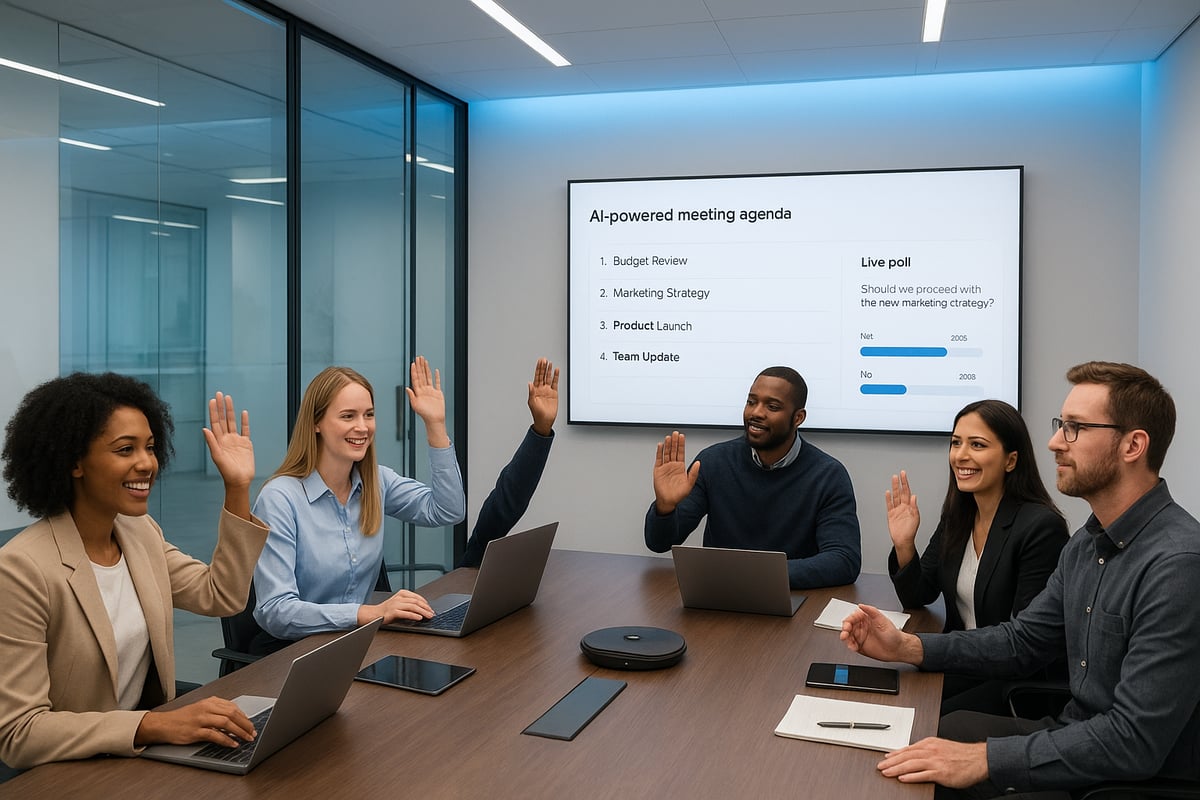
Hybrid and remote work have redefined the landscape, making it crucial to design meetings that keep everyone engaged, no matter where they are. Leaders combating death by meeting must balance live and asynchronous communication, using clear agendas and transparent documentation so no one is left behind.
Emphasize inclusion by rotating facilitation roles and leveraging tools like breakout rooms and polls. For more practical guidance, explore Leading Hybrid Churches Best Practices to see how hybrid teams thrive.
AI and Automation in Meetings
Artificial intelligence is revolutionizing how we address death by meeting. AI-driven agendas, automated minute-taking, and instant action item tracking streamline discussions and minimize manual busywork.
Advanced tools now offer real-time transcription and even language translation, making global collaboration seamless. According to recent research, organizations adopting AI meeting assistants see measurable productivity gains. For deeper insights, review the Scaling Laws for Economic Productivity and how large language models are transforming professional workflows.
Gamification and Engagement Techniques
Gamification is emerging as a powerful answer to death by meeting. Introducing interactive polls, quizzes, and breakout sessions can re-energize even the most routine meetings.
Consider using competitive leaderboards or awarding points for prompt participation. These engagement techniques boost morale and encourage active involvement, especially in hybrid or remote settings. Teams that gamify feedback processes report higher participation and more innovative ideas.
Measuring Meeting ROI and Impact
To overcome death by meeting, leaders must measure results, not just attendance. Key metrics include time saved, decisions made, and action completion rates. Benchmark these against industry standards to reveal strengths and gaps.
| Metric | Target Value | Industry Average |
|---|---|---|
| Time Saved (%) | 25 | 18 |
| Decisions Made/Month | 12 | 9 |
| Action Completion (%) | 90 | 70 |
Consistently tracking these numbers ensures meetings remain productive and aligned with business goals.
Building a Culture of Productive Meetings
Finally, death by meeting is best prevented by building a culture that values preparation, active participation, and continuous improvement. Leaders should model effective behaviors, recognize meeting wins, and integrate best practices into onboarding and performance reviews.
Celebrate progress with quarterly “meeting health” reports and foster an environment where every voice is heard. Sustaining change means making productivity a shared responsibility and a visible priority.
Overcoming Common Challenges and Sustaining Change
Transforming meeting culture is only half the battle. The real test comes in overcoming obstacles that threaten to pull teams back into the cycle of death by meeting. Leaders must anticipate resistance, embrace inclusivity, and ensure that productive habits stick for the long term.
Navigating Resistance and Changing Habits
When teams first address death by meeting, skepticism is common. People may feel overwhelmed by new frameworks or reluctant to abandon familiar routines. To ease this transition, start with small changes and communicate the benefits clearly.
- Pilot new meeting formats with one team before a full rollout.
- Share early wins and testimonials from participants.
- Offer ongoing training and resources for continuous improvement.
For leaders seeking inspiration, the Best Books on Growth offer strategies to drive personal and organizational change, making the journey from death by meeting to productivity smoother.
Handling Conflict, Disagreement, and Difficult Personalities
Conflict is often viewed negatively, yet it is essential for avoiding death by meeting. Constructive disagreement can spark innovation and surface hidden issues. Equip teams with frameworks for respectful debate and decision-making.
- Use the “disagree and commit” principle to move past stalemates.
- Assign a neutral facilitator to guide discussions and keep emotions in check.
- Practice active listening and clarify points before responding.
By reframing conflict as a tool rather than a threat, leaders can transform death by meeting into an opportunity for growth.
Ensuring Equity and Inclusion in Every Meeting
Inclusive meetings are a powerful antidote to death by meeting. Rotating facilitation roles allows diverse voices to be heard, while technology can support anonymous feedback and participation.
- Try anonymous polling to gather honest input.
- Alternate who leads meetings and who sets agendas.
- Leverage AI-driven frameworks like the Observe, Ask, Intervene Framework to foster equitable engagement in both remote and hybrid settings.
Prioritizing equity ensures every team member feels valued, breaking the cycle of disengagement that fuels death by meeting.
Maintaining Momentum: Tracking Progress and Celebrating Wins
Sustaining change requires regular review and recognition. Set clear KPIs to measure meeting effectiveness, such as reduced time spent, higher participation rates, and improved decision quality. Share results with the team to reinforce positive behaviors.
- Conduct quarterly “meeting health” reports.
- Celebrate when teams meet or exceed their meeting goals.
- Encourage feedback and adapt formats as needs evolve.
These steps help teams stay vigilant, preventing a slide back into death by meeting.
When to Cancel, Shorten, or Replace Meetings
Not every issue deserves a meeting. Establish clear criteria to determine when meetings are truly necessary, and consider alternatives like asynchronous updates or shared documents.
| Criteria | Meeting Needed? | Alternative |
|---|---|---|
| Decision-making required | Yes | - |
| Simple information share | No | Email/Doc Update |
| Quick alignment | Sometimes | Chat/Huddle |
Reducing unnecessary meetings is crucial to defeating death by meeting. Teams that regularly assess their meeting load free up time for meaningful work and innovation.
After exploring the real costs of unproductive meetings and discovering actionable strategies to transform your team’s collaboration, you’re already one step closer to mastering meetings in 2026. If you’re ready to put these insights into practice, we can help you take the next leap. At LeadershipBooks.com, we guide leaders like you in amplifying your impact—whether through smarter meetings, publishing your expertise, or scaling your message. If you’re committed to building a culture of productive meetings and want tailored support for your leadership journey, Get Started Here and let’s take your influence to the next level.
0 comments