

Why does the power of now book continue to inspire transformation, even as we approach 2026? Its message remains a beacon for anyone seeking clarity and presence in a fast-paced, digital world.
This guide will break down what makes the power of now book so impactful. You will discover its origins, core teachings, and actionable steps to bring presence into your everyday life.
Imagine a life free from constant worries about the past or future. Ready to master true presence? Read on to unlock the wisdom and practical tools within the power of now book.
The Origins and Enduring Appeal of “The Power of Now”
The journey of the power of now book begins with the personal transformation of its author, Eckhart Tolle. Struggling with deep depression and anxiety in his early thirties, Tolle experienced a sudden shift in consciousness that changed his life completely. This profound awakening inspired him to write the power of now book, first published in 1997.
The book blends Tolle’s personal story with universal spiritual teachings, making complex ideas accessible to anyone seeking change. Its conversational style and relatable anecdotes help bridge the gap between everyday struggles and deeper spiritual insight. Celebrating over 25 years as a New York Times bestseller, the power of now book has sold more than 16 million copies and has been translated into over 30 languages. Readers are drawn to its clear, practical guidance and the way it speaks directly to common human experiences.
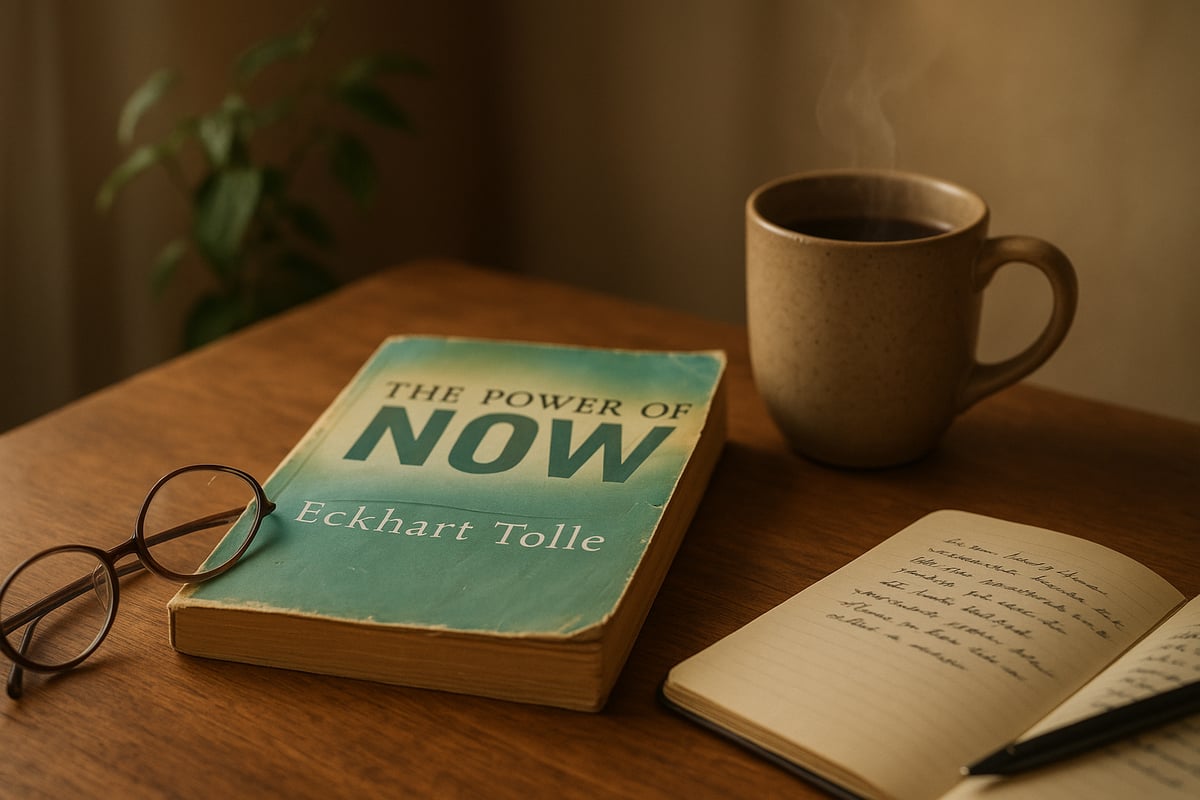
The Story Behind the Book
Eckhart Tolle’s journey from despair to enlightenment forms the heart of the power of now book. Before writing, Tolle spent years struggling with depression and negative thought patterns. One night, he experienced a profound shift, realizing he was not his thoughts. This moment of clarity marked the start of his spiritual awakening.
Published in 1997, the power of now book quickly gained a following for its blend of personal narrative and deep spiritual teachings. Its approachable tone and practical advice made spirituality accessible to a wider audience. The book’s ongoing bestseller status, with over 16 million copies sold, highlights its global appeal.
Tolle’s writing bridges the gap between daily life and lasting peace. Readers appreciate the way he addresses common struggles while offering a path to inner freedom. The power of now book remains a touchstone for those seeking transformation, demonstrating that enlightenment is possible in ordinary life.
Why “The Power of Now” Still Resonates in 2026
In our rapidly changing digital world, the power of now book continues to speak to readers overwhelmed by constant information and distraction. Its core message of presence and mindfulness provides a much-needed antidote to stress and anxiety. The book’s influence can be seen in mindfulness movements, therapy practices, and personal growth communities worldwide.
High-profile endorsements, such as Oprah Winfrey’s Book Club selection, have propelled the power of now book into the mainstream. Thousands of testimonials describe life-changing insights, from overcoming grief to finding clarity during major transitions. Readers consistently report practical results, such as reduced anxiety and increased emotional resilience.
What sets the power of now book apart is its shift from mystical ideas to practical, grounded presence. Tolle’s teachings are now integrated into everyday routines, leadership programs, and therapy sessions. For a deeper look at how Eckhart Tolle has shaped modern mindfulness, see Eckhart Tolle's Influence on Mindfulness Practices. This ongoing relevance ensures the book remains a foundational resource for those pursuing mindful living in 2026.
The Book’s Global Impact
Since its release, the power of now book has maintained consistent bestseller status, earning high ratings such as 4.4 out of 5 from over 3,200 Apple Books reviews. Its adoption in book clubs, therapy, and coaching programs highlights its reach beyond traditional spiritual circles.
The book’s influence extends into psychology, leadership, and wellness fields. Therapists and coaches use its teachings to help clients manage stress and build emotional resilience. In leadership, the power of now book inspires mindful decision-making and authentic communication.
When compared to other bestsellers like “Atomic Habits,” “The Alchemist,” and “A New Earth,” the power of now book stands out for its simplicity and depth. Its ability to spark both immediate and lasting change has secured its place as a classic. Readers across cultures and generations continue to find meaning in its timeless message, ensuring its enduring appeal well into the future.
Core Teachings: What “The Power of Now” Really Means
The core teachings of the power of now book invite readers to experience life in a radically different way. Instead of being trapped by constant thought or worry, Tolle encourages a shift into true presence. This section will break down what presence means, the spiritual principles behind the power of now book, and how these ideas are applied in real lives.

Understanding Presence and the “Now”
At the heart of the power of now book lies the concept of presence. Presence means fully experiencing this moment, without being pulled into memories of the past or anxieties about the future. According to Tolle, presence is the foundation of genuine happiness and freedom.
The book introduces the idea of “Being” as your true essence, which exists beyond thoughts, roles, or external circumstances. Tolle explains that the mind is an incredible tool, but it often becomes an obstacle when we identify with it. Overthinking and rumination can create unnecessary suffering, making it difficult to access the peace found in the now.
A key teaching in the power of now book is liberation from time. Tolle writes that only the present moment can free you from the burdens of your past and the worries of your future. By focusing on now, regret and anxiety begin to dissolve. This approach challenges the illusion that fulfillment is always somewhere else, waiting to be reached.
By practicing presence, readers discover that the richness of life is only available in the now. The power of now book reminds us that each breath, sensation, and experience is an opportunity to connect with our deepest self.
Key Lessons and Spiritual Principles
The power of now book introduces several transformative spiritual lessons. One of the most important is the concept of the pain-body and ego. The pain-body is the collection of old emotional wounds and patterns that cause habitual suffering. The ego, meanwhile, is the false sense of self built on thoughts, roles, and separation.
Tolle teaches that by observing the pain-body and ego without judgment, you can begin to transcend them. Acceptance and surrender are also central principles in the power of now book. Acceptance means embracing reality as it is, rather than resisting or denying it. Surrender is not giving up, but letting go of the internal struggle against what is happening.
Conscious awareness of thoughts and emotions is another core teaching. Tolle emphasizes that awareness creates distance from suffering, allowing you to respond rather than react. Stillness and silence are described as gateways to spiritual awakening, offering space for insight and peace.
A powerful distinction in the power of now book is the difference between “doing” and “being.” While doing refers to activity and achievements, being is about existing in a state of presence. This shift transforms everyday life, leading to greater calm and fulfillment.
Examples and Real-Life Applications
The impact of the power of now book can be seen in countless reader stories. Many have used its teachings to overcome grief, anxiety, or major life transitions. For example, readers describe finding peace after a loss by staying present with their emotions rather than escaping into thought.
The principles from the power of now book have been integrated with mindfulness practices, meditation apps, and even leadership coaching. Therapists and coaches use these concepts to help clients break free from negative thought cycles. In relationships, mindful communication rooted in presence has resolved conflicts and deepened connections.
For those seeking practical guidance, there are many Mindfulness Techniques Inspired by Tolle that bring these teachings to life, from breath awareness to body scanning. Notable quotes, such as “It is not uncommon for people to spend their whole life waiting just to start living,” highlight the urgency of embracing the now.
Ultimately, the power of now book equips readers with tools to live more consciously, wherever they are. Its lessons remain relevant for anyone looking to transform their approach to everyday challenges and find lasting peace.
Step-by-Step Guide: Unlocking Presence in Your Daily Life
Unlocking the full potential of the power of now book requires more than just reading—it demands daily practice and mindful attention. The following step-by-step guide breaks down how you can bring presence into every aspect of your life, making the teachings of Eckhart Tolle practical and accessible. By integrating these steps, you can transform your experience of each day, reduce anxiety, and cultivate a deeper sense of fulfillment.

Step 1: Recognize the Present Moment
The first step in applying the power of now book is to notice when your mind drifts away from the present. Begin by developing simple mindfulness cues throughout your day. Pay attention to your breath, the sensation of your feet on the ground, or the sounds in your environment.
Set reminders to pause and check in with your body. Are your shoulders tense? Is your jaw clenched? Use these signals to bring yourself back to now. Journaling can help you track when your thoughts wander. Try prompts such as, "What am I feeling right now?" or "Where is my attention in this moment?" These practices lay the foundation for deeper presence.
Step 2: Observe Your Thoughts Without Judgment
A core teaching of the power of now book is learning to observe your thoughts as an impartial witness. Instead of getting caught in mental loops, practice "watching the thinker." Notice your thoughts as they arise, and simply acknowledge them without labeling them as good or bad.
Distinguish between your thoughts and your core identity. Remember, you are not your thoughts; you are the awareness behind them. Try exercises such as mentally noting, "Thinking," each time a thought appears. Over time, this helps you detach from negative patterns and reduces overthinking.
Step 3: Dissolve the Pain-Body
One of the most transformative lessons from the power of now book is recognizing the "pain-body"—the accumulation of old emotional pain. Start by identifying triggers and habitual reactions. When strong emotions surface, pause and focus on your breath.
Allow the emotion to be present without trying to suppress or escape it. Ask yourself, "What is this feeling teaching me?" Tolle suggests that present challenges reveal what is unresolved from the past. With practice, you can remain grounded, even during emotional upheaval, and gradually dissolve the pain-body's grip.
Step 4: Embrace Acceptance and Surrender
Acceptance is at the heart of the power of now book. Instead of resisting difficult circumstances, practice allowing life to unfold as it is. This does not mean giving up, but rather letting go of inner resistance.
Cultivate gratitude for the present moment, even when it feels uncomfortable. Reflect on times when acceptance brought unexpected peace. For example, readers often describe finding solace after loss or during periods of uncertainty by surrendering to what is, rather than fighting against it.
Step 5: Integrate Presence into Relationships and Work
Presence transforms the way you interact with others. The power of now book encourages active listening and mindful communication. When speaking, focus fully on the other person, noticing their words, tone, and body language.
Apply presence to teamwork and leadership by staying attentive during meetings and responding with clarity rather than reactivity. Mindful interactions can reduce conflict and enhance creativity. For those seeking community support, joining a Book club discussion guide can provide accountability and shared learning as you deepen your practice.
Step 6: Build a Sustainable Presence Practice
Consistency is key to embodying the teachings of the power of now book. Create daily rituals such as meditation, mindful walking, or a digital detox period. Use technology to your advantage by setting phone reminders or using mindfulness apps to prompt regular check-ins.
Track your progress by noting small wins in a journal. Celebrate moments when you catch yourself returning to the present. Over time, these habits reinforce your ability to remain present, even amid daily demands.
Step 7: Overcoming Common Obstacles
Every journey with the power of now book involves challenges. You might encounter skepticism, impatience, or setbacks along the way. Remember that presence is a skill developed over time, not overnight.
Seek out support systems such as book clubs, online forums, or mindfulness communities to stay motivated. If you struggle, revisit the basic practices and remind yourself why you started. Additional resources, such as guided meditations or expert talks, can help you overcome obstacles and continue growing in presence.
“The Power of Now” in the Modern World: Influence, Critiques, and Evolving Perspectives
The power of now book stands as a cornerstone in the evolution of modern mindfulness. Its teachings have rippled far beyond the realm of personal development, shaping how therapy, leadership, and even corporate wellness are approached today. In 2026, organizations and individuals alike continue to turn to the power of now book for guidance on navigating stress, fostering resilience, and inspiring authentic leadership.
Many therapists integrate Tolle’s concepts into cognitive behavioral therapies and mindfulness-based practices. Coaches and spiritual teachers recommend the power of now book as a foundation for cultivating presence, self-awareness, and emotional intelligence. Leadership programs and mindfulness workshops often draw on its principles, helping professionals manage distractions and stay grounded in high-pressure environments. For those seeking resources to deepen this integration, mindfulness and leadership resources offer a curated collection of thought leaders advancing these ideas.

Critiques and Debates
Despite its popularity, the power of now book has not escaped critique. Some skeptics question whether simply focusing on the present is enough to heal deep-seated trauma or address complex psychological challenges. Critics argue that embracing presence can sometimes lead to bypassing unresolved pain instead of processing it fully.
| Perspective | Support for Presence | Critique of Presence |
|---|---|---|
| Therapy | Enhances mindfulness, reduces anxiety | May ignore root causes of trauma |
| Spiritual Community | Fosters awakening, inner peace | Risks spiritual bypassing |
| General Readers | Offers practical relief, clarity | May oversimplify emotional healing |
Debates continue on whether the power of now book provides enough tools for addressing unconscious patterns or if it oversimplifies the journey of personal growth. Ultimately, readers are encouraged to balance presence with deeper emotional work.
Diverse Reader Experiences
The power of now book elicits a wide spectrum of responses. Some readers describe dramatic transformations, sharing stories of overcoming anxiety, grief, or existential doubt. Others experience subtle shifts—a greater sense of peace, improved focus, or enhanced relationships.
“After reading the power of now book, I finally learned to quiet the relentless chatter in my mind. It changed how I approach each day.”
At the same time, some readers express skepticism. As one Quora contributor notes, “Now is not spiritual. Now is now.” Cultural and generational backgrounds shape how the book is received, with some finding its simplicity liberating, while others crave more actionable steps.
The Book’s Place in 2026’s Self-Help Landscape
In the crowded self-help market of 2026, the power of now book continues to hold a unique position. While new titles like “Atomic Habits” and “The Psychology of Money” offer data-driven strategies, Tolle’s work endures for its emphasis on simplicity and depth. It remains a touchstone for those seeking lasting transformation rather than quick fixes.
The power of now book is often referenced in discussions about the evolution of personal growth, serving as a bridge between spiritual wisdom and modern psychology. Its influence is explored in-depth in The Power of Now's Impact on Personal Development, highlighting its continued relevance for readers seeking presence and success.
As mindfulness and self-awareness become ever more essential in our fast-paced world, the power of now book is likely to remain at the forefront of personal and collective transformation.
Beyond the Book: Expanding Your Journey with Presence
Exploring the power of now book does not end with the last page. Many readers find that the real transformation begins when they look beyond the original text and engage with additional resources, communities, and daily practices. This section offers guidance on how to sustain and deepen your journey with presence.
Related Books and Resources
Your exploration of the power of now book can be enriched by diving into related works and learning materials. Eckhart Tolle has authored several influential titles, including "A New Earth" and "Practicing the Power of Now." These books expand on themes of presence and self-realization, offering new perspectives for your practice.
Other recommended readings, such as "Atomic Habits" by James Clear, "The Alchemist" by Paulo Coelho, and "The Psychology of Money" by Morgan Housel, provide practical wisdom that complements Tolle’s teachings. For those interested in Tolle’s life and broader impact, Eckhart Tolle's Biography and Works offers comprehensive background information.
Podcasts, guided meditations, and online courses inspired by the power of now book are also widely available. These resources can help you integrate presence into your daily life in a meaningful way.
Community and Support for Practicing Presence
Sustaining the insights from the power of now book is easier when you connect with others on a similar path. Book clubs, discussion groups, and online forums offer opportunities to share experiences, ask questions, and receive encouragement.
Finding a mentor or accountability partner can provide valuable support as you work through challenges and celebrate progress. Many readers attend global retreats or local events focused on mindfulness and presence, where they can immerse themselves in collective practice and deepen their understanding.
These communities often create a space where the lessons of the power of now book become living, shared experiences rather than abstract ideas.
Practical Tools for Everyday Presence
Integrating the power of now book into real life is made simpler with practical tools. Mindfulness apps designed for 2026 offer reminders, guided exercises, and progress tracking to keep presence at the forefront of your routine.
Journals and planners can help you reflect on daily experiences, set intentions, and notice subtle shifts in awareness. Visual cues, such as mindful reminders on your phone or workspace, reinforce new habits.
Applying presence in family, work, and social settings requires consistency and adaptability. By using these tools, the power of now book becomes a practical guide for navigating modern challenges with calm and clarity.
Measuring Your Progress and Staying Motivated
Tracking your journey with the power of now book involves both reflection and celebration. Self-assessment checklists and regular journaling make it easier to notice improvements in well-being, relationships, and productivity.
Consider joining communities or using resources like Tips for authors and readers for practical advice on engaging with transformative books. Sharing milestones with others can reinforce motivation and provide new insights.
As you measure your growth, remember that presence is a lifelong practice. Every step taken with the power of now book is progress worth acknowledging and celebrating.
As you reflect on the timeless wisdom of “The Power of Now” and consider how presence can transform your leadership, relationships, and daily life, remember that every impactful journey begins with a single step. If you’re ready to expand your influence, share your insights, or turn your knowledge into a professionally published book or online course, you don’t have to navigate it alone. Let’s explore how you can amplify your message and unlock new possibilities for growth and connection.
Get Started Here
and take the next step toward lasting impact.
0 comments