

Books have shaped our imaginations, challenged our beliefs, and connected generations across time. The magic of famous books lies in their power to inspire, provoke thought, and remain relevant no matter the era.
In this article, we present a carefully curated list of 12 famous books everyone should read in 2026. From timeless classics to modern masterpieces and global sensations, these works span genres and cultures, offering something for every reader.
Are you ready to discover stories that spark curiosity, nurture empathy, and enrich your life? Let the journey through literary greatness begin.
The Enduring Impact of Famous Books
The influence of famous books goes far beyond their pages. These works shape language, culture, and even the way we see ourselves and the world. Their stories and ideas continue to resonate, sparking conversations and inspiring generations.
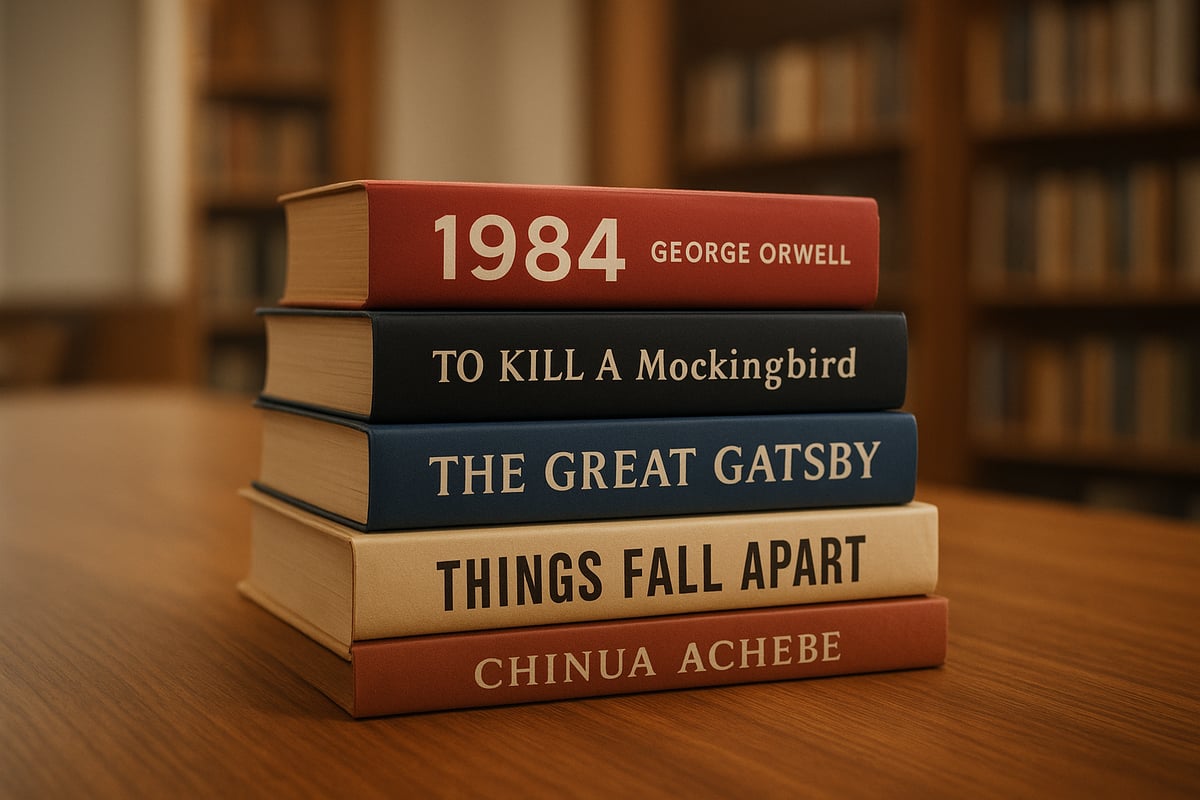
Why Certain Books Stand the Test of Time
Famous books endure because they capture universal themes, introduce bold literary innovations, and leave a lasting imprint on culture. Works like "1984" gave us terms such as "Big Brother," while "The Color Purple" changed the conversation around social justice. These books impact education, pop culture, and even everyday language.
Adaptations for film, theater, and television help keep these stories relevant. For instance, "The Great Gatsby" sold 25 million copies after Fitzgerald's death, and the "Harry Potter" series has surpassed 500 million copies worldwide. For more detailed figures, see this Best-selling books statistics resource.
How Reading Shapes Perspectives in 2026
In 2026, the role of famous books is evolving. With the rise of digital media and global connections, literature remains a vital tool for empathy and critical thinking. Books like "Things Fall Apart" offer insight into colonialism, while "To Kill a Mockingbird" confronts issues of racial injustice.
Classic and modern famous books provide context for today's challenges. Research shows that reading literary fiction can increase emotional intelligence, making these works more relevant than ever in a rapidly changing world.
Criteria for Selecting Must-Read Books
Selecting famous books that everyone should read involves balancing literary merit, cultural impact, and current relevance. Diversity is key: including voices from different backgrounds and countries broadens our understanding. The influence of famous books on film, theater, and education is also a critical factor.
Accessibility matters, as does ongoing readership. "The Kite Runner" is now a modern classic, while "Pride and Prejudice" continues to captivate readers centuries after its publication. These selections reflect the rich tapestry of global literature.
The Role of Books in Personal and Professional Growth
Famous books serve as lifelong tools for learning, reflection, and growth. They shape leadership styles, ethical thinking, and personal development. For example, "The Alchemist" inspires readers to pursue their dreams, while "War and Peace" offers lessons in resilience.
Such books often spark meaningful conversations and promote self-reflection. Studies consistently show that regular readers enjoy improved cognitive function and better communication skills, highlighting the practical value of engaging with famous books.
12 Famous Books Everyone Should Read in 2026
Exploring the world of famous books unveils a landscape rich with stories that have shaped minds, cultures, and even history itself. The following curated list brings together twelve famous books that continue to captivate readers, inspire conversations, and remain deeply relevant in 2026.
Each book stands out for its literary merit, cultural influence, and lasting popularity. Whether you are seeking classic literature, modern masterpieces, or global favorites, these famous books offer transformative experiences and insights.
Below is a quick comparison of the twelve selected titles, highlighting their genre, author, and central theme:
| Book Title | Author | Genre | Central Theme |
|---|---|---|---|
| 1984 | George Orwell | Dystopian | Surveillance, Truth |
| To Kill a Mockingbird | Harper Lee | Classic Fiction | Justice, Racism |
| The Great Gatsby | F. Scott Fitzgerald | Literary Fiction | Wealth, The American Dream |
| Things Fall Apart | Chinua Achebe | Historical Fiction | Colonialism, Identity |
| Pride and Prejudice | Jane Austen | Romance | Love, Social Status |
| The Kite Runner | Khaled Hosseini | Modern Fiction | Redemption, Friendship |
| War and Peace | Leo Tolstoy | Historical Epic | War, Human Condition |
| The Color Purple | Alice Walker | Epistolary Novel | Resilience, Sisterhood |
| The Alchemist | Paulo Coelho | Philosophical | Destiny, Self-Discovery |
| The Diary of a Young Girl | Anne Frank | Memoir | Hope, Survival |
| Beloved | Toni Morrison | Literary Fiction | Slavery, Memory |
| Life of Pi | Yann Martel | Adventure | Survival, Faith |
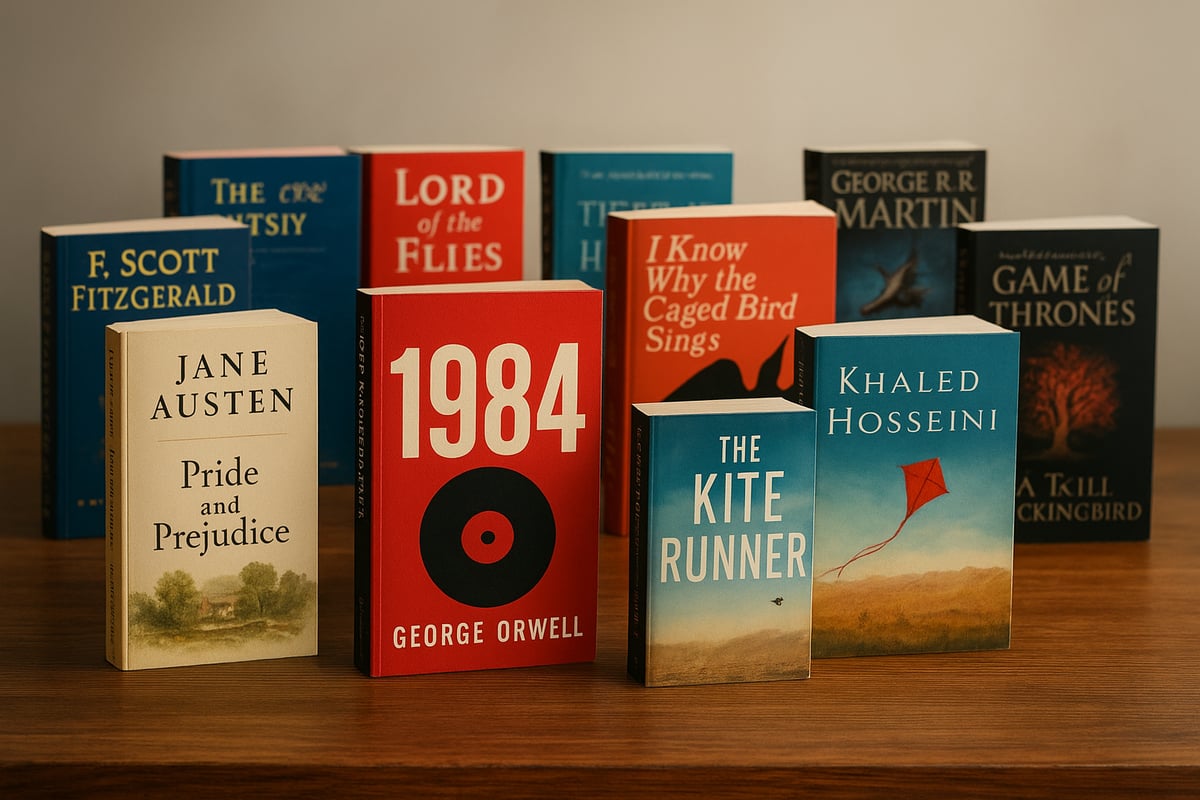
1. 1984 by George Orwell
"1984" remains one of the most famous books for its chilling vision of a dystopian future. Orwell’s novel introduces readers to a world dominated by surveillance, propaganda, and the omnipresent figure of Big Brother. The book’s exploration of truth, freedom, and totalitarianism has left an indelible mark on language and culture.
Key terms like "doublethink" and "thoughtcrime" have entered everyday vocabulary. With over 30 million copies sold, "1984" continues to be assigned in schools and discussed in debates about privacy and government control. Its frequent adaptations, from film to theater, ensure its ongoing influence.
For anyone interested in famous books that shape political and social thought, "1984" is essential. Its warnings remain timely, making it a must-read for 2026 and beyond.
2. To Kill a Mockingbird by Harper Lee
"To Kill a Mockingbird" stands as a pillar among famous books that address justice and morality. Set in the racially charged Deep South of the 1930s, the story unfolds through the eyes of Scout Finch. Her father, Atticus Finch, has become an enduring symbol of integrity and ethical courage.
The novel’s exploration of racism, empathy, and childhood innocence has made it a classic in American literature. With over 40 million copies sold and a Pulitzer Prize to its name, it continues to inspire discussions about social justice.
Adaptations in film and theater, along with its status as required reading in schools, reinforce its place among famous books that challenge readers to reflect on prejudice and human dignity.
3. The Great Gatsby by F. Scott Fitzgerald
Few famous books capture the allure and tragedy of the American Dream like "The Great Gatsby." Set in the roaring 1920s, Fitzgerald’s masterpiece explores themes of wealth, love, ambition, and illusion. The symbolism of the green light and the eyes of Dr. T.J. Eckleburg adds layers of meaning to this literary classic.
Initially underappreciated, the novel has since sold over 25 million copies posthumously and is now a staple of school curricula. Its influence extends to language, fashion, and popular culture.
Multiple film and stage adaptations keep "The Great Gatsby" among the most famous books, inviting new audiences to experience its timeless story.
4. Things Fall Apart by Chinua Achebe
"Things Fall Apart" is a cornerstone of African literature and one of the most famous books to address the effects of colonialism. Achebe’s novel follows Okonkwo, a respected leader in Igbo society, as external forces threaten traditional ways of life.
With over 20 million copies sold and translations into 57 languages, it is a global phenomenon. The book’s portrayal of cultural change and resilience offers readers fresh perspectives on history and identity.
Often included in world literature courses, "Things Fall Apart" exemplifies the power of famous books to amplify diverse voices and foster cross-cultural understanding.
5. Pride and Prejudice by Jane Austen
"Pride and Prejudice" remains one of the most beloved and famous books in the English language. Austen’s incisive wit and keen observations on love, class, and self-discovery have captivated generations.
The story centers on the Bennet family, especially the spirited Elizabeth Bennet, as they navigate the complexities of marriage and society. Universal themes ensure the novel’s enduring popularity.
Countless adaptations, from films to modern reinterpretations, demonstrate why "Pride and Prejudice" is a cornerstone among famous books. Its influence reaches far beyond its Regency setting, resonating with contemporary readers.
6. The Kite Runner by Khaled Hosseini
Among modern famous books, "The Kite Runner" stands out for its moving exploration of friendship, betrayal, and redemption. Set against the backdrop of Afghanistan’s turbulent history, the novel traces the lives of Amir and Hassan as they confront guilt and seek forgiveness.
Staying on the New York Times bestseller list for over two years, the book has sparked important discussions about cultural upheaval and personal growth. Adaptations into film and stage have broadened its reach.
"The Kite Runner" continues to challenge and inspire readers, solidifying its place among famous books that define a generation.
7. War and Peace by Leo Tolstoy
"War and Peace" is often cited as one of the most ambitious and famous books ever written. Tolstoy’s epic weaves together the lives of Russian aristocrats during the Napoleonic Wars, blending historical events with philosophical reflection.
At over 1,200 pages, this monumental work explores fate, free will, and the human condition. Its influence on literature, film, and even leadership studies is profound.
Adapted into acclaimed films and series, "War and Peace" remains a benchmark for readers seeking depth and challenge. It is a testament to the enduring appeal of famous books that tackle life’s biggest questions.
8. The Color Purple by Alice Walker
"The Color Purple" has secured its place among famous books for its unflinching portrayal of Black women’s experiences in early 20th-century America. Told through letters, Walker’s novel explores themes of abuse, resilience, and sisterhood.
Winner of the Pulitzer Prize and adapted into an Oscar-nominated film and Broadway musical, the book is celebrated for its candid approach to difficult subjects. It is often included in lists of the most influential and famous books of the modern era.
Despite frequent challenges, "The Color Purple" continues to inspire conversations about identity, healing, and empowerment.
9. The Alchemist by Paulo Coelho
"The Alchemist" is a global sensation and one of the most famous books for those seeking inspiration and personal growth. Coelho’s philosophical tale follows Santiago, a shepherd boy, on his quest to fulfill his destiny.
With over 65 million copies sold and translations into more than 80 languages, its universal message of following one’s dreams resonates worldwide. The book’s simplicity and depth have made it a favorite among readers of all ages.
For anyone curating a list of famous books to read in 2026, "The Alchemist" offers timeless wisdom on hope and perseverance.
10. The Diary of a Young Girl by Anne Frank
Few famous books offer as intimate a window into history as "The Diary of a Young Girl." Anne Frank’s memoir chronicles her life in hiding during the Holocaust, capturing both the horrors of war and the resilience of the human spirit.
Translated into over 70 languages and selling more than 30 million copies, the diary is required reading in classrooms around the world. Its personal perspective brings historical events to life, fostering empathy and understanding.
"The Diary of a Young Girl" stands as a testament to the power of famous books to educate and inspire across generations.
11. Beloved by Toni Morrison
"Beloved" is a haunting and powerful entry among famous books that confront the legacy of slavery in America. Morrison’s Nobel Prize-winning novel explores trauma, motherhood, and the struggle to reclaim identity.
Frequently challenged yet widely celebrated, "Beloved" has been adapted into film and remains a cornerstone of American literature. Its lyrical prose and profound themes make it essential reading for understanding history and race relations.
By grappling with collective memory and personal pain, "Beloved" exemplifies how famous books can foster deeper reflection and dialogue.
12. Life of Pi by Yann Martel
"Life of Pi" blends adventure, spirituality, and the art of storytelling, securing its spot among famous books of the 21st century. The novel follows Pi Patel as he survives at sea with only a Bengal tiger for company.
Winner of the Man Booker Prize and adapted into an Oscar-winning film, "Life of Pi" is lauded for its imagination and narrative innovation. Its exploration of faith, reality, and survival offers readers both entertainment and philosophical insight.
For those searching for famous books that push creative boundaries, "Life of Pi" is a must-read.
How to Get the Most Out of Your Reading in 2026
A thoughtful approach to reading can transform your experience with famous books. By curating a diverse list, adopting reflective habits, and connecting stories to your life, you can deepen both enjoyment and understanding. Here's how to maximize your literary journey in 2026.

Building a Diverse and Impactful Reading List
Creating a balanced reading list is essential for anyone seeking to explore famous books. Mixing classics with contemporary works introduces you to a wide range of styles, themes, and perspectives. Including global voices ensures that your reading reflects the richness of world literature.
- Rotate genres to keep your reading dynamic, such as fiction, nonfiction, memoir, and poetry.
- Use award lists and book clubs as guides for discovering new titles.
- Combine substantial works like "War and Peace" with modern novels such as "The Kite Runner" for both depth and variety.
- Explore resources like the Top business books ever to add influential nonfiction to your list.
A well-rounded approach to famous books enriches your understanding of humanity and society.
Strategies for Deep and Reflective Reading
To truly benefit from famous books, focus on active reading strategies. Set clear reading goals and track your progress, whether through journals, digital tools, or reading apps.
- Annotate passages that resonate with you or raise questions.
- Join or form a book club to discuss interpretations and gain fresh insights.
- Rotate between print, e-books, and audiobooks for flexibility.
- Reflect on how the narrative connects to your personal experiences.
Book clubs, in particular, have been shown to boost retention and enjoyment, making famous books more memorable and meaningful.
Connecting Literature to Modern Life and Challenges
Famous books often mirror the challenges and triumphs of contemporary life. Drawing parallels between literary themes and current events can spark meaningful conversations and foster empathy.
- Use stories like "1984" to examine debates on privacy and surveillance.
- Discuss novels such as "Beloved" to explore generational trauma and social justice.
- Apply lessons from literature to leadership and ethical dilemmas at work.
Research shows that reading literary fiction enhances empathy, making famous books a powerful tool for personal and civic growth.
Encouraging Lifelong Reading Habits
Sustaining a habit of reading famous books requires intentional effort and community support. Create a comfortable reading environment at home, and celebrate milestones to stay motivated.
- Encourage family and friends to join your reading journey.
- Participate in local or online reading initiatives to connect with fellow book lovers.
- Share recommendations and reflect on your growth over time.
Regular engagement with famous books not only builds knowledge but also supports mental well-being and satisfaction throughout life.
The Influence of Famous Books on Culture and Society
Famous books have a unique power to shape not only individual minds but also entire societies. Their influence echoes across generations, sparking change, inspiring new ideas, and connecting people from diverse backgrounds. Understanding how famous books impact culture and society helps us appreciate the significant role literature plays in our world.

Shaping Social Movements and Conversations
Famous books often act as catalysts for social change. Works like "To Kill a Mockingbird" have fueled conversations about justice and civil rights, while "Silent Spring" helped ignite the modern environmental movement. These books challenge norms, spark dialogue, and encourage activism.
- Novels can inspire readers to question societal structures.
- Memoirs give voice to marginalized communities.
- Banned famous books frequently become central to cultural debates.
In fact, literature that faces censorship or controversy is often the most influential. According to recent data, books that are banned tend to generate broader discussion and awareness. For more on how books achieve widespread influence, see this Intro to book marketing resource. The enduring conversations around famous books prove their lasting importance in shaping collective values.
Adaptations and the Power of Storytelling Across Media
The reach of famous books extends far beyond the page. Adaptations into film, television, and theater have introduced these stories to millions who may not have read the original works. For example, "The Great Gatsby" and "Life of Pi" found new life through cinematic success, drawing fresh audiences and reigniting interest in the source material.
Adaptations amplify the impact of famous books by:
- Making stories accessible to visual learners
- Encouraging intergenerational conversations
- Boosting book sales after film or streaming releases
Statistically, books adapted for the screen often see a significant increase in sales and cultural relevance. This process ensures that famous books remain embedded in popular culture, continually influencing new generations and maintaining their significance.
The Globalization of Reading in 2026
In 2026, the influence of famous books is more global than ever. Translation efforts have propelled works like "Things Fall Apart" and "The Alchemist" onto international bestseller lists. As a result, cross-cultural exchange through literature is flourishing.
Online communities and social media play a crucial role in this expansion. Readers from different countries can now discuss famous books in real time, share perspectives, and recommend titles that reflect diverse experiences.
- Translated books account for a growing share of global sales
- International book clubs connect readers worldwide
- Digital platforms break down language and cultural barriers
This globalization not only broadens the reach of famous books but also strengthens their role in fostering empathy and understanding across cultures. The enduring appeal of these works ensures their continued impact on society everywhere.
As you reflect on these twelve unforgettable books, you might be inspired to add even more transformative reads to your list for 2026. Exploring diverse voices and timeless works not only sharpens your perspective but also enriches your journey as a leader and lifelong learner. If you’re looking for more recommendations that can challenge, motivate, and expand your thinking this year, I encourage you to check out our curated collection of the most impactful titles. You’ll find even more books that spark meaningful conversations and drive personal and professional growth.
Top 20 Leadership Books in the World Right Now
0 comments