

Are you ready to unlock the secrets behind printing book projects that stand out in 2026? Whether you are taking your first steps as an author or looking to refine your publishing expertise, understanding the printing book process is essential for achieving professional results and a lasting impression.
This comprehensive guide will walk you through every step, from preparing your manuscript and selecting the best printing method to choosing materials, perfecting design, and managing logistics. With the industry evolving rapidly, we will show you the latest trends, technologies, and strategies you need to succeed.
If you want a high-quality, market-ready book, follow this step-by-step guide and turn your publishing vision into reality.
Understanding the Modern Book Printing Landscape in 2026
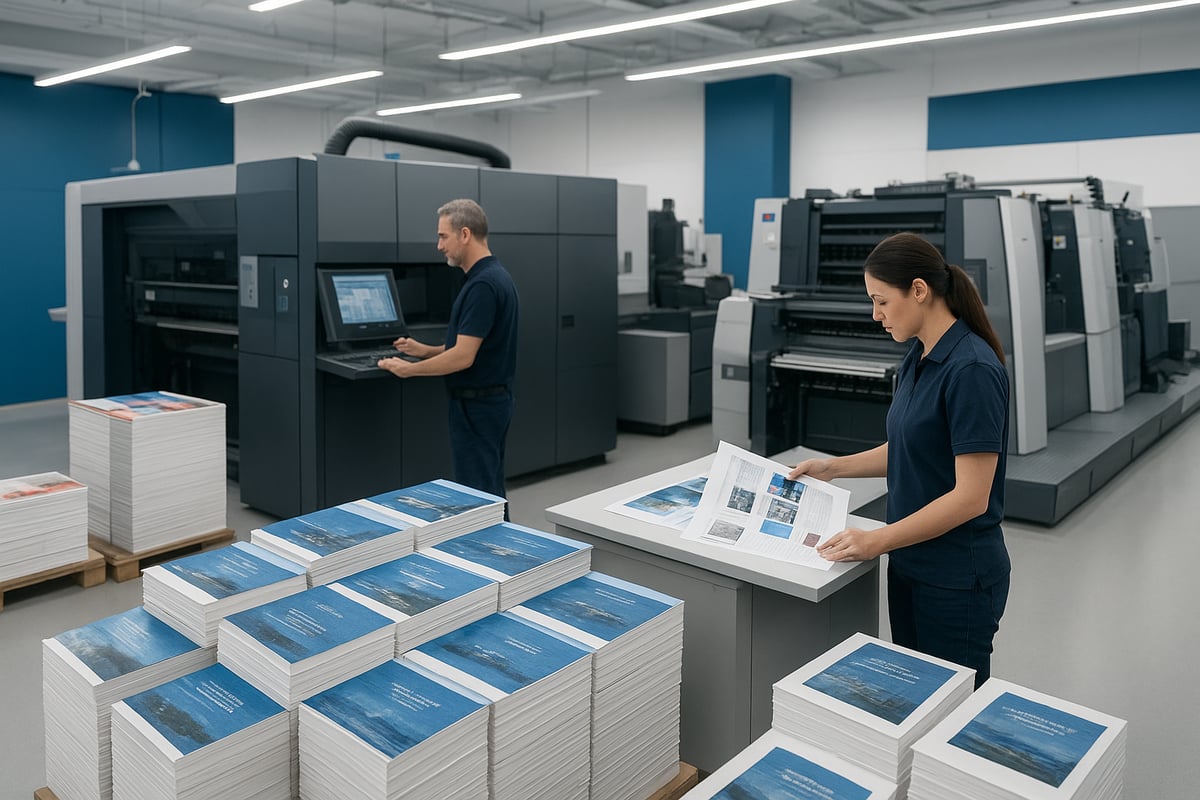
The printing book industry in 2026 is more dynamic and accessible than ever before. Authors and publishers are witnessing rapid changes, driven by fresh technology, evolving consumer preferences, and a surge in self-publishing. If you want to produce a professional book that meets modern standards, understanding this landscape is essential.
Industry Trends and Growth in 2026
In 2026, self-publishing continues to grow at a remarkable pace. More writers are choosing to bring their work directly to readers, bypassing traditional gatekeepers. This shift fuels demand for short-run and print-on-demand solutions, which allow for smaller, flexible print quantities without sacrificing quality. The printing book landscape is now characterized by speed, adaptability, and a focus on serving niche audiences.
Technological Advancements in Book Printing
Digital and offset printing technologies have seen significant improvements. Printers now offer faster turnaround times and enhanced color accuracy, making high-quality results accessible for every printing book project. Eco-friendly options, like water-based inks and recycled papers, are now common as environmental responsibility becomes a priority for both printers and authors. Automation streamlines production, cutting costs and boosting reliability. For a deeper dive into these advancements, you can explore the 2026 Printing Industry Trends.
Customization and Personalization
Customization has become a hallmark of the printing book industry. Unique formats, specialty finishes, and personalized covers are now widely available. Authors can choose from features like spot UV, foil stamping, and custom trim sizes to make their books stand out. These options help creators connect more deeply with their target audience and add lasting value.
Print-on-Demand vs. Bulk Printing
Choosing the right method for printing book projects depends on your goals. Print-on-demand is ideal for small runs, fast updates, or testing new markets. Bulk printing offers lower cost per unit for large orders but requires inventory management. Here’s a quick comparison:
| Feature | Print-on-Demand | Bulk Printing |
|---|---|---|
| Minimum Order | 1 copy | 100+ copies |
| Turnaround Speed | Fast (days) | Moderate (weeks) |
| Cost Per Unit | Higher | Lower |
| Flexibility | High | Moderate |
| Quality | Consistent, digital | Highest, offset |
Key Statistics for 2026
- Nearly 65% of new titles are produced using digital presses, with offset still preferred for high-volume printing book projects.
- Average print runs for indie authors range from 50 to 250 copies.
- Customization requests have doubled since 2023, as more authors seek unique finishes.
Selecting the Right Printing Partner
With so many options, choosing a reliable printing partner is crucial. Look for a provider that offers a broad range of services, responsive support, and transparent pricing. The best partners guide you through the printing book process, offering advice on materials, file preparation, and logistics.
Case Example: Reaching a Niche Audience
Consider the story of an independent author who wrote a local history book. By using print-on-demand and custom cover options, she quickly produced a small run tailored to her community’s interests. This approach allowed her to test demand, adjust content, and avoid excess inventory, ultimately leading to a successful launch.
Common Pitfalls and How to Avoid Them
Many new authors encounter challenges such as file errors, choosing unsuitable materials, or underestimating shipping times. To avoid these pitfalls:
- Double-check file specifications before submitting for printing book production.
- Consult with your printer about the best paper and binding options.
- Plan for shipping and delivery, especially for launches and events.
By staying informed and working with experienced professionals, you can navigate the modern printing book landscape confidently and achieve outstanding results.
Step 1: Preparing Your Manuscript for Print
Preparing your manuscript is the foundation of a successful printing book project. Every detail matters, from file setup to final edits. If you want your finished book to look professional and stand out in the market, mastering this step is crucial.
Formatting Essentials for Print-Ready Manuscripts
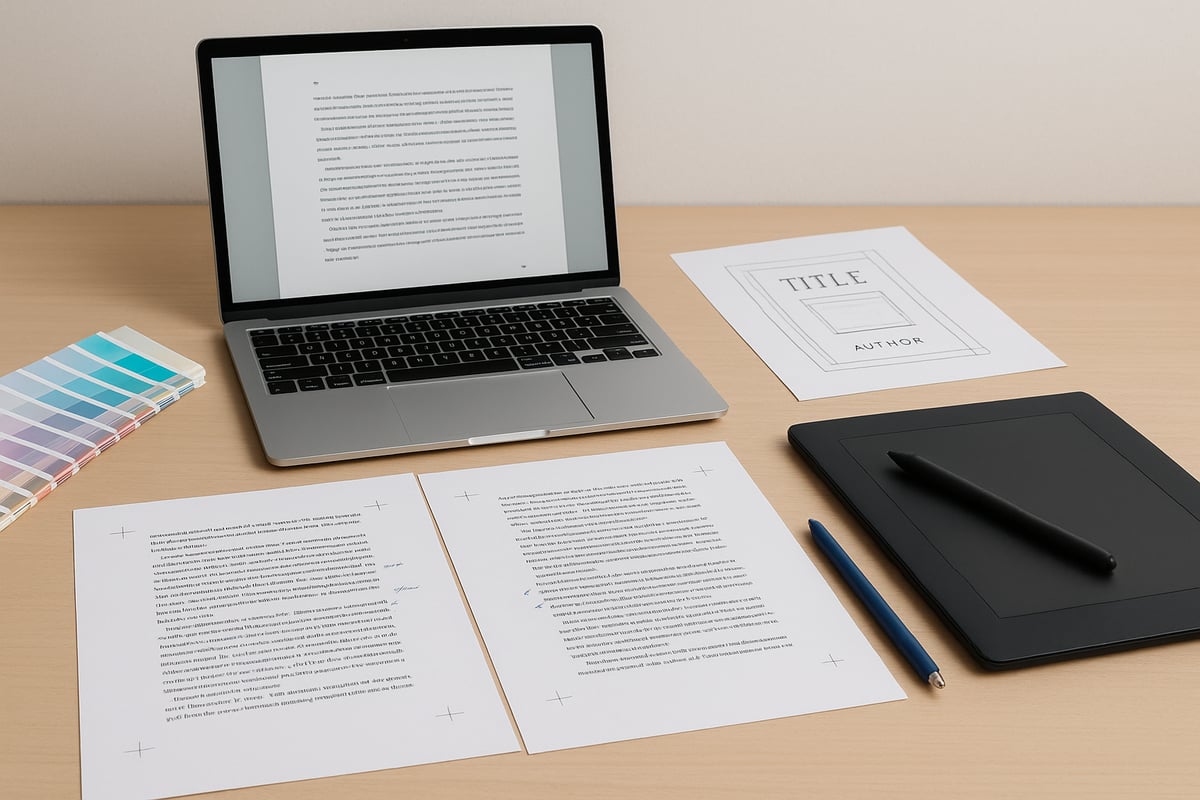
Consistent formatting is the backbone of a print-ready file. For any printing book project, set up your margins, gutters, and bleed areas according to industry standards. This ensures text and images do not get cut off during trimming. Most professional printers require PDF/X or InDesign package files, which preserve layout integrity and minimize technical issues.
When deciding on trim size and page count, remember these choices impact both the aesthetics and cost of your printing book. For example, a larger trim size increases paper use, while more pages raise production costs. Always embed fonts and images in your file to prevent missing elements during print.
A common pitfall is improper gutter setup, which can cause text to disappear into the spine, especially in perfect-bound books. According to major printers, top file rejection reasons include missing bleeds, low-resolution images, and unembedded fonts. To avoid these mistakes, consult guides like How to get started publishing for step-by-step instructions on preparing your files.
Editing and Proofreading: Achieving Professional Quality
Editing is not just about catching typos. For any printing book, thorough editing and multiple rounds of proofreading are essential to ensure clarity, consistency, and polish. Errors like widows, orphans, and awkward hyphenation can distract readers and lower perceived quality, even if the rest of your content shines.
Professional editing services or specialized tools like Grammarly and Adobe Acrobat’s preflight checks can help spot issues before print. A recent example shows how last-minute editing saved an author from reprinting hundreds of copies due to a single overlooked formatting error. Industry data suggests that up to 25 percent of print files are returned for revision after initial submission, often due to minor, preventable mistakes.
Before approving your printing book file, review every page for layout consistency. Use a checklist to catch common pitfalls, such as inconsistent headers, missing page numbers, or incorrect font usage. Investing time in this stage will save you both money and reputation down the line.
Cover and Interior Design Considerations
A standout cover design is key to your printing book’s marketability. Professional designers calculate spine width based on page count and paper thickness. For example, the formula is: spine width (inches) = (page count ÷ 444) × paper thickness (inches). Always ensure your images are at least 300 dpi for crisp, high-quality printing.
Consider the impact of crossovers—images or text that span two pages—which can be problematic in certain bindings. Matte covers are often chosen for literary fiction, while glossy finishes are popular for cookbooks and children’s titles. Each finish affects both appearance and durability.
Competitor FAQs often highlight the importance of allowing extra margin near the spine to account for binding. This helps prevent critical elements from being lost in the fold. By paying attention to these details, your printing book will not only look polished but also withstand the rigors of handling and distribution.
Step 2: Choosing the Right Printing Method and Materials
Selecting the best approach for printing book projects in 2026 requires understanding the latest technologies, material options, and how each choice shapes your final product. This step is crucial for achieving the look, feel, and durability your readers expect.
Comparing Offset, Digital, and Print-on-Demand Options
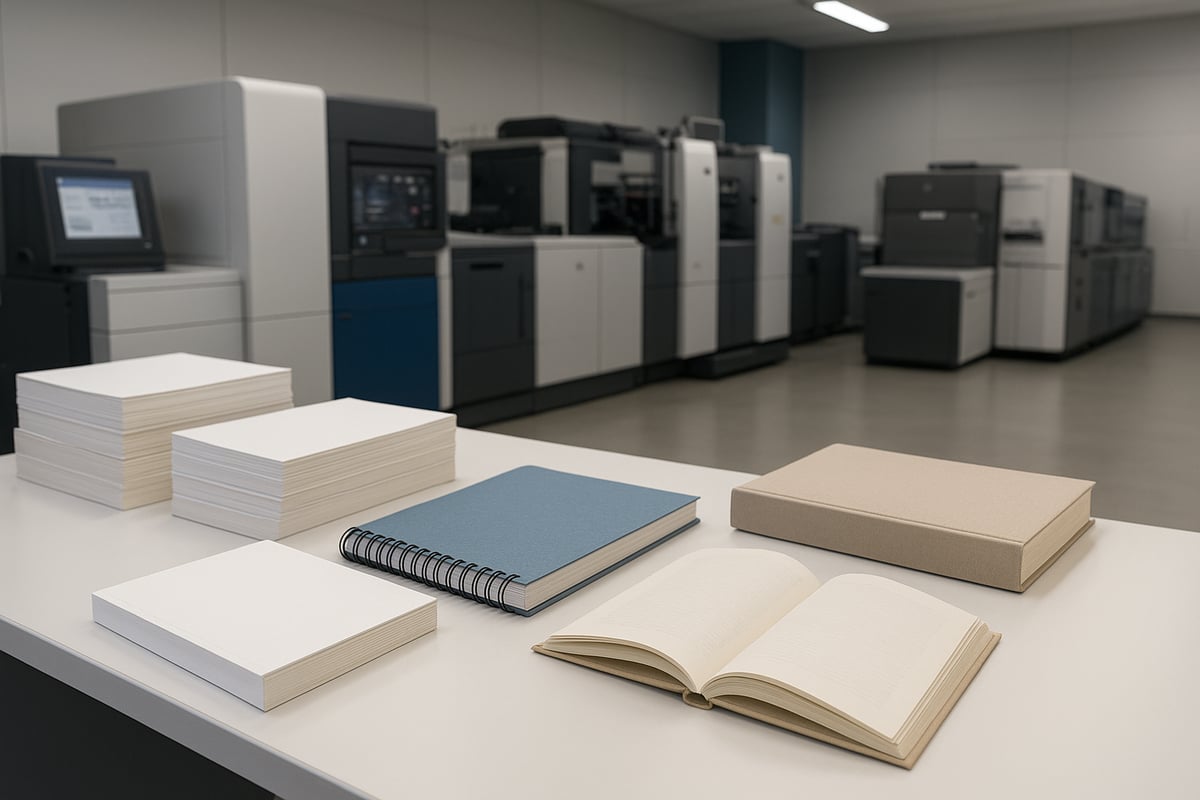
When printing book projects, the method you choose influences cost, turnaround time, and print quality. Offset printing remains the industry standard for large print runs, offering exceptional color fidelity and consistency. It is ideal when you need thousands of copies and want the lowest cost per unit.
Digital printing has revolutionized the industry, especially for short runs and fast delivery. It allows authors to print small batches or even single copies with minimal setup costs. Print-on-demand is the most flexible, letting you print only when an order is placed, which eliminates inventory risk.
| Method | Best For | Cost Per Unit | Turnaround | Flexibility |
|---|---|---|---|---|
| Offset | Large runs | Lowest | Slower | Low |
| Digital | Small runs | Moderate | Fast | High |
| Print-on-Demand | Single copies | Highest | Instant | Very High |
For a deeper dive into the technical and practical differences, see this Offset vs. Digital Printing Comparison. For example, if you are printing book orders for a niche audience, digital or print-on-demand can be preferable due to lower upfront investment and speed.
Selecting Paper Types, Weights, and Finishes
The choice of paper has a direct impact on the quality and perception of your printing book. Common weights include 80# matte, often used for novels, and 100# glossy, preferred for photo-heavy titles. Matte paper provides a smooth, glare-free reading experience, while glossy options enhance image vibrancy.
Coated papers—both glossy and matte—are popular for books with illustrations or photographs. Uncoated papers offer a natural texture, making them suitable for literary fiction or poetry. Opacity is also critical for readability, especially in books with high page counts.
Environmental concerns are shaping the market, with many printers offering recycled and FSC-certified papers. For example, children’s books often use thicker, more opaque paper to withstand handling and prevent show-through. Selecting the right paper ensures your printing book stands out and meets reader expectations.
Binding Styles and Their Impact on Durability and Aesthetics
Binding determines both the durability and the visual appeal of your printing book. The most common options include perfect binding (ideal for novels and trade paperbacks), saddle stitch (suitable for booklets or short manuals), spiral and wire-o (best for workbooks or cookbooks), and hardcover (for premium editions).
Each binding type serves a specific purpose. For example, perfect binding is standard for fiction titles due to its professional look, while spiral binding allows books to lay flat—essential for workbooks. The spine design also offers customization opportunities, such as foil stamping or embossing.
Consider durability, cost, and reader experience when choosing a binding style. Data shows that hardcover and perfect bound books remain the most popular choices for commercial printing book projects, especially in genres like memoir, business, and non-fiction.
Step 3: Navigating the Book Printing Process Step-by-Step
Embarking on the journey of printing book projects requires clarity and attention to detail at every stage. By breaking the process into actionable steps, you ensure professional results and avoid costly mistakes. Let’s walk through each phase, from quoting and ordering to proofing and delivery.

Getting an Instant Quote and Placing an Order
The first step in printing book projects is obtaining an instant quote. Most reputable printers provide online calculators that let you enter key variables such as:
- Quantity of books to print
- Trim size and page count
- Color versus black-and-white interior
- Paper type and cover finish
These calculators instantly update pricing as you adjust your specifications. Understanding how each variable impacts cost is essential. For example, increasing the page count or choosing premium paper can noticeably affect your quote. Many printers offer volume discounts, so ordering higher quantities often reduces the per-unit price.
Additionally, pay attention to minimum order requirements. Some print-on-demand services allow for single-copy orders, while offset printers may require runs of 100 or more. Exploring available publishing packages can help you match your printing book needs with the right combination of services and support.
Before placing your order, review all selections carefully. A small oversight in quantity or paper type can have significant effects on both budget and final product quality.
Uploading Files and Reviewing Proofs
Once you have finalized your order, the next step in printing book production is submitting your files. Most printers support uploads via secure online portals. To minimize errors, follow these best practices:
- Use industry-standard file formats, such as PDF/X or packaged InDesign files
- Double-check margins, bleeds, and embedded fonts
- Ensure all images meet the minimum 300 dpi requirement
After uploading, you will receive a proof for review. Proofs come in two main types:
- Digital PDF proofs, which are fast and cost-effective
- Hard copy proofs, which offer a physical preview of your printing book
Carefully examine your proof for issues with spine alignment, color accuracy, and bleed areas. Review every page to catch any formatting errors or misalignments. Approving your proof typically takes 3 to 4 business days, based on industry averages, but can be faster with instant proofing services.
Thorough proof review is critical, as missed errors can lead to costly reprints and delays. Take advantage of any complimentary proofing or file review services your printer offers to ensure your printing book meets professional standards.
Final Approval, Production, and Delivery Timelines
After approving your proof, the printing book enters the production phase. The printer will queue your order, source materials, and begin the actual print run. Standard production timelines depend on factors such as binding style and order volume, but most runs are completed in 5 to 10 business days. Rush options are often available for tighter deadlines.
Shipping and delivery are the final pieces of the process. Printers typically offer multiple shipping speeds, from standard ground to expedited air. Tracking information is provided so you can monitor your printing book shipment from the facility to your doorstep.
Here’s a sample timeline for a 100-copy print run:
| Step | Estimated Time |
|---|---|
| Proof Approval | 3–4 business days |
| Production | 5–7 business days |
| Shipping (Standard) | 3–7 business days |
Managing expectations and maintaining communication with your printer can help prevent surprises. By following each step with care, you ensure your printing book arrives on time and meets your quality expectations.
Step 4: Ensuring Print Quality and Avoiding Common Mistakes
Achieving professional results when printing book projects requires careful attention to quality at every stage. Even small oversights can lead to costly reprints or compromised presentation. This section provides actionable steps, industry insights, and practical tips to help you deliver a flawless finished product.
Pre-Press Checklist and File Preparation
Before printing book files, a thorough pre-press review is vital. Begin by checking that all fonts are embedded, images are at least 300 dpi, and color profiles match your printer’s requirements. Confirm file types are industry-standard, such as PDF/X or packaged InDesign files.
Key pre-press checklist items include:
- Verifying trim size and page count alignment
- Ensuring proper margins, gutters, and bleed settings
- Embedding all visual assets and fonts
- Running a preflight check for errors
Most printers provide preflight tools or checklists. If your files are not properly prepared, you risk delays or rejections. For example, missing gutter space can cause text to disappear into the binding, affecting your entire printing book run.
Understanding Printer Marks and Layout Issues
Printer marks are essential for accurate production. Crop marks indicate where pages will be trimmed, while registration marks ensure color alignment. Always place these marks outside the bleed area to avoid visible lines on the final product.
Misplaced marks or incorrect bleed settings can result in misaligned pages or unwanted borders. Crossovers—images or text spanning two pages—require special attention, as the gutter can cause visual breaks. For perfect-bound books, ensure the gutter is wide enough to prevent image loss.
A common mistake in printing book layouts is neglecting the impact of binding on margins and spine width. Consult your printer’s template guidelines to avoid these pitfalls.
Avoiding Print Quality Problems
Image resolution and color consistency are critical to professional results. Low-resolution images will appear blurry or pixelated, undermining your printing book’s appeal. Always use images at 300 dpi and check color mode (CMYK for print, not RGB).
Be vigilant for issues like:
- Ink smudges or streaks
- Paper jams during production
- Misaligned pages or uneven trimming
Many printers now offer complimentary PDF reviews and instant digital proofs, allowing you to catch errors early. Reviewing a hard copy proof is also wise for high-stakes projects. According to the Global Printer Market Statistics 2026, file errors account for a significant percentage of reprints, highlighting the importance of meticulous review.
Working with Your Printer and Real-World Lessons
Partnering with a reliable printer is invaluable when printing book projects. Choose providers that offer detailed feedback, responsive support, and clear proofing processes. If you’re unsure about file setup or design, seeking professional guidance can prevent costly mistakes.
A real-world example: An author submitted files with incorrect color profiles, resulting in dull, inaccurate cover colors. After a complimentary PDF review and proof, the issue was caught, saving the print run from disaster. Many authors benefit from expert advice—consider booking a free consultation with a literary agent for tailored support before final submission.
Remember, most frequent mistakes include missing bleeds, low-res images, and overlooked spine calculations. Use checklists, proofs, and communication to ensure your printing book project is a success.
Step 5: Managing Costs, Logistics, and Distribution
Successfully printing book in 2026 requires careful management of costs, logistics, and distribution to ensure your project remains profitable and reaches your intended audience. With the evolving publishing landscape, understanding each component of the process is critical for both new and experienced authors.
Budgeting and Cost Control Strategies
Budgeting is the backbone of any successful printing book project. Understanding all the cost components, from setup fees to finishing and shipping, helps prevent unpleasant surprises. The most common expenses include:
- Prepress and setup charges
- Printing costs (influenced by run size, method, and color)
- Paper and material selection
- Binding and finishing options
- Shipping and handling
Choosing standard trim sizes and common paper types can reduce costs significantly. For example, opting for a standard 6 x 9 inch format is often less expensive than custom dimensions. Bulk orders generally lower the cost per unit, but print-on-demand can be more cost-effective for smaller runs or niche markets.
Environmental trends are also influencing paper costs. As highlighted in the Book Printing Paper Market Forecast 2026, sustainability and regulatory changes may impact the price and availability of certain paper stocks, so plan accordingly.
Here’s a quick comparison table:
| Print Run Size | Offset (per book) | Digital (per book) | POD (per book) |
|---|---|---|---|
| 100 | $5.00 | $3.50 | $7.25 |
| 500 | $2.15 | $2.80 | $6.75 |
| 1000 | $1.40 | $2.40 | $6.50 |
Calculating your break-even point is essential. Divide your total printing book costs by your expected sales price to determine how many copies you need to sell to cover expenses. This approach ensures your project remains financially viable.
Shipping, Fulfillment, and Delivery Options
Once your printing book run is complete, getting your books into readers’ hands is the next challenge. Shipping options range from domestic freight to international delivery, each with its own timeline and cost structure. Reliable fulfillment partners can handle direct-to-reader delivery, reducing your workload and streamlining order management.
Key shipping considerations include:
- Domestic vs. international rates and transit times
- Tracking and insurance for valuable shipments
- Packaging quality to prevent damage in transit
For special events or tight deadlines, rush shipping is sometimes necessary. However, this increases overall costs, so plan your timeline to avoid last-minute expenses. Many authors coordinate with fulfillment centers to automate delivery and inventory management, especially when handling high-volume orders.
A typical printing book shipment of 100 copies within the country may take 5 to 7 business days, while international orders can require two weeks or more. Always factor in these timelines when planning launches or promotions, as delays can impact your marketing strategy.
Preparing for Sales, Marketing, and Distribution
Preparing your printing book for the marketplace involves several key steps. Securing an ISBN and barcode is essential for retail distribution, allowing bookstores and online platforms to catalog and sell your title. Working with platforms like Amazon, local bookstores, and direct sales channels maximizes your reach.
Inventory management is another critical element. For small runs, print-on-demand services minimize storage costs and reduce risk, while larger printings require careful stock tracking to prevent overproduction or shortages.
A strategic launch plan can greatly enhance your book’s visibility. Many self-published authors find success by leveraging online resources such as the Amazon Kindle Direct Publishing guide to navigate print-on-demand and distribution options.
Consider these common sales channels in 2026:
- Online retailers (Amazon, Barnes & Noble)
- Independent bookstores
- Author websites and direct sales events
Balancing your inventory, choosing the right partners, and using proven sales strategies will help ensure your printing book reaches its intended audience efficiently and profitably.
You’ve just explored the key steps to printing your book successfully in 2026, from preparing your manuscript and choosing the best materials to understanding cutting edge technology and managing the entire process like a pro. If you’re ready to move from planning to action and want expert guidance tailored to your unique goals, I invite you to take the next step. Let’s ensure your vision becomes a reality and your message reaches the right audience with impact and professionalism. Get Started Here
0 comments