

The digital publishing world is rapidly expanding, with the market projected to surpass $35 billion by 2026. This surge presents a unique opportunity for anyone eager to share expertise, build authority, or earn passive income.
If you have ever wondered how to write an e book, this step-by-step guide will simplify the process. You do not need prior experience—just the right roadmap.
Inside, you will discover how to choose a profitable topic, reach your audience, outline, draft, polish, and successfully launch your eBook. Start your journey today and transform your knowledge into lasting impact.
Step 1: Define Your Purpose and Target Audience
Starting your journey on how to write an e book begins with establishing a strong foundation. Before drafting a single word, it is essential to understand why you are writing, who you are writing for, and what the competitive landscape looks like. These first steps will guide every decision and maximize your eBook’s impact.

Clarify Your “Why” and Set Clear Goals
The first step in how to write an e book is clarifying your motivation and setting clear, measurable goals. Are you aiming to generate leads, build your authority, earn passive income, or engage your audience? Your intent will shape every aspect of your project.
Begin by writing down your main objective. For example, you might want to attract 1,000 downloads in three months or generate $500 in your first quarter. A business coach, for instance, may set a goal of gaining 500 new email leads from a free eBook.
Setting specific goals keeps you accountable and focused. According to Kartra, a well-defined purpose influences your topic selection, writing style, and promotion strategy. For those just starting, reviewing foundational steps for authors can provide a helpful framework—see the How to get started writing resource for practical advice.
Remember, how to write an e book effectively depends on knowing exactly what you want to achieve from the start.
Identify and Research Your Target Audience
Identifying your target audience is critical in how to write an e book that resonates and sells. Start by defining key demographics, such as age, gender, profession, and interests. Then, dig deeper into their pain points, desires, and knowledge gaps.
Use tools like:
- Online surveys and polls
- Social media quizzes
- Interviews with potential readers
For instance, Sarah, a finance coach, targets young adults facing student debt. The more specific you can be, the more relevant your content becomes.
Compile your findings in a simple table:
| Demographic | Pain Point | Desired Outcome |
|---|---|---|
| 20-30, grads | Student loan stress | Debt-free strategies |
| 35-45, parents | Budgeting challenges | Saving for children |
Tailoring your message to a well-defined audience makes your eBook more actionable and valuable. Ultimately, how to write an e book successfully means understanding exactly who you are helping and why.
Analyze Competitors and Market Demand
No guide on how to write an e book is complete without competitor and market research. Explore existing eBooks in your niche on platforms like Amazon, Google, and YouTube. Identify what bestsellers do well and where gaps exist.
Use research tools such as AnswerThePublic to discover trending questions and unmet needs. Look at reviews and reader comments to see what audiences are still asking for. Top-performing eBooks address a specific, high-demand problem—so focus your topic accordingly.
Take note of:
- Gaps in existing titles
- Overlooked questions
- Unique angles only you can provide
By thoroughly analyzing your competition and validating market demand, you increase your chances of creating an eBook that stands out and meets real reader needs.
Step 2: Choose a Profitable and Relevant Topic
Choosing the right topic is the foundation of success when learning how to write an e book. Many beginners feel overwhelmed at this stage, but the process can be structured and data-driven. Start by blending your expertise with market demand, then refine your idea to ensure it stands out and delivers value.

Brainstorm and Validate Ideas
Begin by listing your areas of expertise, personal experiences, and passions. Think about what you are often asked for advice on or what you enjoy teaching others. Next, cross-reference these ideas with audience needs and trending topics in your niche.
To validate your ideas, use keyword research tools, browse bestsellers on Amazon, and check platforms like YouTube for popular questions. According to eBook Consumer Statistics 2025, top-performing topics in how to write an e book often align with high-demand categories like personal finance, wellness, and relationships. This research ensures your eBook can attract a substantial audience.
Select a Focused, Actionable Topic
A common mistake when figuring out how to write an e book is choosing a topic that is too broad. Instead, narrow your idea to address a specific problem or question. For instance, rather than covering “Personal Finance Tips,” focus on “How to Become Debt-Free After College.”
This approach increases the perceived value of your eBook and makes it easier to stand out. When your topic is focused, readers know exactly what to expect and are more likely to see your eBook as a solution to their needs.
Align Topic with Your Unique Experience
Readers are drawn to authenticity and expertise. As you learn how to write an e book, consider what unique perspective or background you bring to the table. Use your personal story, professional background, or case studies to differentiate your eBook.
For example, if you are a finance coach who paid off student loans early, share your journey and lessons learned. This not only builds credibility but also forges a stronger connection with your audience. Your eBook should offer something only you can deliver.
Ensure Topic Suitability for eBook Format
Not every idea is suitable for an eBook. When considering how to write an e book, ask yourself if your topic requires depth and structure beyond a blog post or checklist. Teaching and problem-solving topics, which need detailed guidance, usually work best in this format.
Review competitor eBooks to gauge the expected length and complexity. If existing content is too shallow or scattered, your eBook can fill the gap by offering a comprehensive, well-organized resource that readers truly need.
Avoid Common Mistakes
Finally, avoid picking topics based solely on your interests if there is little audience demand. The most successful strategies for how to write an e book prioritize what readers are searching for and where competitors fall short.
Do not copy other eBooks; instead, add your unique insights or a new perspective. Consistently review market trends, listen to your audience, and adjust your topic selection process to maximize your chances of eBook success.
Step 3: Plan, Research, and Outline Your eBook
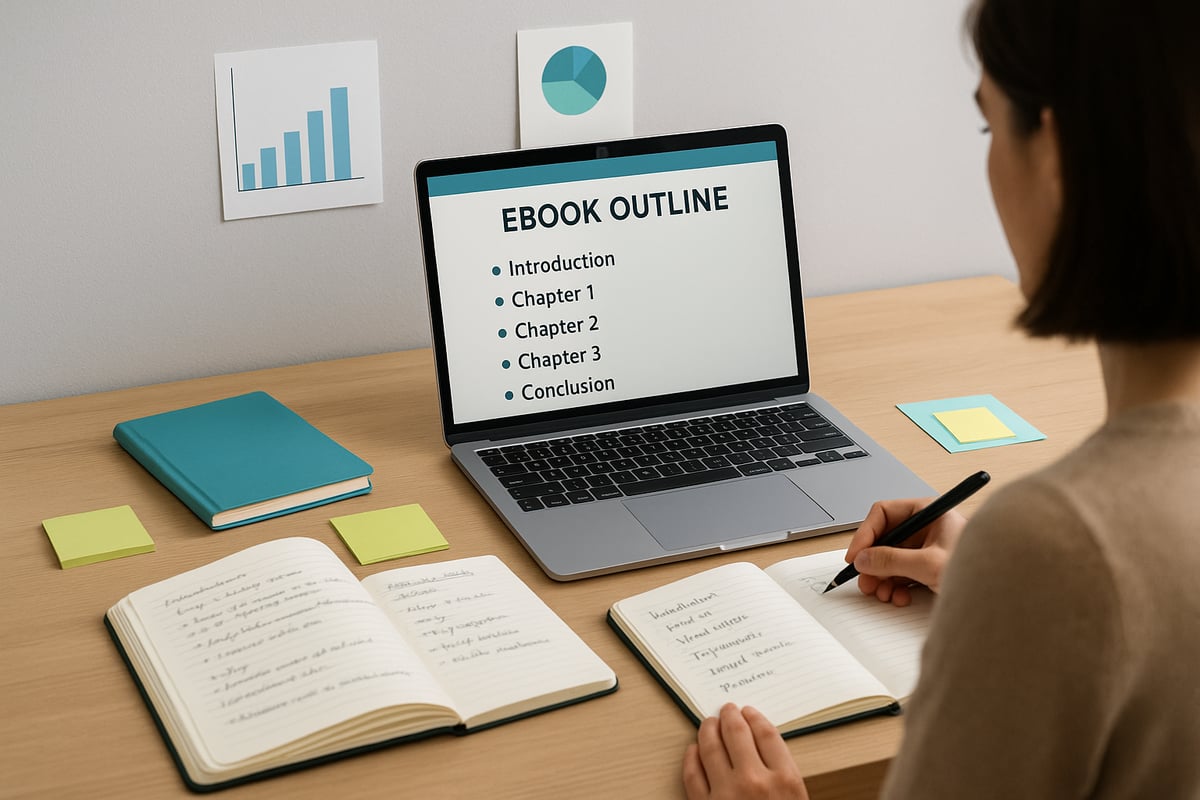
Before you start writing, successful eBook creation begins with careful planning. If you want to master how to write an e book that resonates with readers, dedicating time to this step is crucial. Break your process into manageable parts to build a strong foundation for your content.
Conduct In-Depth Research
Begin with thorough research to ensure your eBook stands out. Review books, reputable websites, and expert interviews related to your topic. Use online forums, blog comments, and YouTube to discover what questions your target audience is asking.
Look for real-world examples and data to back up your claims. Analyze competitor eBooks to see what works and what gaps you can fill. This research phase is essential if you want to learn how to write an e book that truly adds value.
- Read top-selling eBooks in your niche.
- Collect audience questions from social media.
- Save useful stats and case studies for reference.
Organize Information and Create a Structure
With your research in hand, start organizing your findings. Break your topic into logical sections or chapters. Make a list of main points and subtopics for each section, then draft a table of contents as your roadmap.
For practical outlining strategies, explore Tips for aspiring authors to improve your approach. Creating a clear structure is a cornerstone of how to write an e book that is easy to follow.
- List main chapters and subheadings.
- Arrange sections in a logical, progressive order.
- Use a table of contents for easy navigation.
Outline Each Chapter or Section
Once your structure is set, outline every chapter or section. Write clear headings and subheadings that guide the reader. Make sure each section builds on the previous one and leads toward your eBook’s goal.
Use bullet points to map out key ideas, supporting details, and examples. This step-by-step outlining process is a proven method for those learning how to write an e book efficiently.
- Start with basics, progress to actionable steps.
- End each chapter with a takeaway or call to action.
- Ensure logical flow between sections.
Set Writing Milestones and Deadlines
Planning your workflow is essential for staying motivated. Set realistic goals for drafting each part of your eBook. Break your writing into manageable chunks and use productivity techniques like the Pomodoro method or batching related tasks.
Tracking your progress helps you stay on course as you discover how to write an e book from start to finish. Consider using a simple table for your writing schedule:
| Section | Deadline | Status |
|---|---|---|
| Research | Week 1 | Pending |
| Outline | Week 2 | Pending |
| Draft Chapters | Week 3-4 | Pending |
| Edit & Revise | Week 5 | Pending |
Gather Visuals and Supporting Materials
Visual elements enhance your eBook’s clarity and appeal. Identify where charts, infographics, or case studies can help explain complex ideas. Plan to include images that break up text and make your content more engaging.
Think about what visuals your audience will find most useful. Integrating supporting materials is a powerful way to elevate how to write an e book that keeps readers interested to the end.
- Add charts to explain data.
- Use infographics for step-by-step guides.
- Include real-world case studies for credibility.
Step 4: Write and Edit Your First Draft
Writing your first draft can feel overwhelming, but breaking it into manageable steps makes the process more approachable. If you are wondering how to write an e book, this phase is where your ideas start coming to life. The goal is to get your thoughts down on paper without worrying about perfection, then refine them through editing and feedback.

Overcome Writer’s Block and Start Drafting
Getting started is often the hardest part of how to write an e book. Many beginners struggle with writer’s block, but there are proven ways to break through. Try using voice-to-text tools like Google Docs Voice Typing or Otter to quickly capture your ideas. Dictating your thoughts can speed up the process and reduce self-editing during the initial phase.
Embrace the “thought-dump” technique. Write freely without worrying about grammar or structure. The key is to keep the momentum going and let your creativity flow. Remember, your first draft is just that—a draft. You will refine it later.
Maintain Consistent Tone and Clarity
A successful eBook stands out with its clear, consistent voice. As you focus on how to write an e book, aim for a conversational tone that is accessible to beginners. Avoid jargon or overly technical language unless you explain terms clearly.
Use examples, stories, or analogies to illustrate complex concepts. Imagine teaching a friend—this approach helps make your message relatable. Check your tone regularly to ensure your eBook feels cohesive from start to finish.
Stay Focused and On-Topic
Refer often to your outline to ensure every section of your eBook serves a purpose. Staying focused is crucial for how to write an e book that keeps readers engaged. Each chapter should address a specific question or problem your audience faces.
Avoid tangents and unnecessary details. Well-structured eBooks have higher completion rates, as readers appreciate content that respects their time and addresses their needs directly.
Revise and Self-Edit
Once your draft is complete, set it aside for a day or two. Returning with fresh eyes will help you spot errors and awkward phrasing. Read your work aloud to catch anything that sounds off. Use editing tools like Grammarly or Hemingway to identify grammar mistakes and improve readability.
Break your editing process into stages: focus first on big-picture issues like structure and flow, then move on to sentence-level edits. This methodical approach is essential when learning how to write an e book that feels polished and professional.
Self-Editing Checklist
- Check for clarity and conciseness
- Eliminate repetitive ideas
- Ensure smooth transitions between sections
- Verify facts and sources
Seek Feedback and Beta Readers
Before finalizing your eBook, gather feedback from trusted peers or members of your target audience. Beta readers can point out confusing sections or missing information you might have overlooked. Their insights are invaluable for improving your work.
For professional advice, consider booking a free consultation with a literary agent. Expert feedback can help you avoid common pitfalls and enhance your publishing strategy.
In summary, writing and editing your first draft is a crucial milestone in how to write an e book. By following these steps, you ensure your content is engaging, clear, and ready for the next stage: professional design and publication.
Step 5: Design, Format, and Prepare for Publishing
Designing and formatting your eBook is a pivotal stage in how to write an e book successfully. The right design choices can enhance readability, establish credibility, and ensure your content stands out. This phase sets the stage for a polished, professional launch and maximizes your eBook’s impact.
Format Your eBook for Readability and Professionalism
Formatting is the foundation of how to write an e book that readers actually finish. Use tools such as Canva or Adobe InDesign to create a clean, organized layout. Select legible fonts and ensure consistent heading structures throughout your content. Maintain generous spacing to avoid clutter and add a clickable table of contents for smooth navigation.
- Choose easy-to-read fonts like Arial or Georgia.
- Use clear headings and subheadings.
- Organize sections logically and maintain alignment.
Templates can speed up your workflow and enhance professionalism, especially for beginners.
Create a Compelling Cover Design
Your cover is often the first impression readers get, so invest time in making it memorable. A strong cover communicates the value of your eBook and attracts your target audience. You can design it yourself using high-quality templates or consider hiring a professional designer for a custom look.
- Use images and colors that reflect your topic.
- Keep text clear, bold, and easy to read.
- Test your cover on different devices for visual impact.
Research shows that professionally designed covers can increase sales by up to 35 percent, making this step essential in how to write an e book that sells.
Add Visuals and Interactive Elements
Enhance your content by integrating charts, infographics, and images that clarify complex topics. Visuals not only break up text but also increase engagement and comprehension. Callout boxes are effective for highlighting tips, key takeaways, or case studies.
- Insert tables to summarize data.
- Use infographics for step-by-step processes.
- Include real-world examples with images.
For instance, a finance eBook might include tables that demonstrate debt repayment strategies, giving readers actionable insights.
Prepare for Multiple Formats and Devices
When learning how to write an e book, consider that readers access content on various devices. Export your eBook in multiple formats such as PDF, ePub, and Kindle to reach a broader audience. Test your file on desktops, tablets, and smartphones to ensure compatibility and a seamless reading experience.
- Save your eBook in at least two formats.
- Preview on multiple devices before publishing.
- Check that interactive elements work everywhere.
This extra attention helps avoid technical issues post-launch.
Final Proofreading and Quality Check
Before publishing, conduct a thorough review of your eBook. Check for typos, formatting inconsistencies, and broken links. Verify that all visuals display correctly and that your table of contents works as intended. Consider following a Get published publishing plan to ensure every detail is ready for a smooth launch.
A meticulous quality check is the last step in how to write an e book that meets professional standards and delights readers.
Step 6: Publish, Promote, and Track Your eBook
Are you ready to share your expertise with the world? Publishing your first eBook is a major milestone, and the digital market has never been more promising. According to Global eBook Market Growth Projections, the eBook industry is set for explosive growth, creating unprecedented opportunities for new authors. This final step in how to write an e book will guide you through publishing, promotion, and measuring your results.
Select the Right Publishing Platform
Choosing the right platform is critical when learning how to write an e book and get it in front of readers. Self-publishing has become more accessible than ever, with platforms like Amazon Kindle Direct Publishing (KDP), Gumroad, Payhip, and personal websites offering unique advantages.
Consider distribution reach, royalty rates, and ease of use. For example, KDP provides global exposure and built-in marketing tools, making it ideal for beginners. Gumroad and Payhip are great for selling directly to your audience and retaining more profits.
Compare key features and costs before deciding:
| Platform | Reach | Royalties | Best for |
|---|---|---|---|
| Amazon KDP | Global | 35-70% | Maximum exposure |
| Gumroad | Direct sales | 90%+ | Niche or loyal audience |
| Payhip | Direct sales | 90%+ | Digital products |
Take time to research which platform aligns with your goals, audience, and technical comfort level.
Set Pricing and Monetization Strategies
Pricing your eBook strategically is essential for success. When considering how to write an e book that sells, look at what competitors charge and analyze your audience's willingness to pay. Most beginner-friendly eBooks perform best when priced between $2.99 and $9.99, balancing value and accessibility.
You can choose from several monetization models:
- Free (lead magnet to grow your email list)
- Low-cost (attract more buyers and reviews)
- Premium (for in-depth or specialized content)
According to the eBook Market Revenue Forecast, the eBook market is projected to reach billions in revenue, so even a modestly priced eBook can generate significant returns with the right audience. Test your pricing, gather feedback, and adjust as needed to maximize your results.
Build a Pre-Launch Audience
Building anticipation before your launch is a key part of how to write an e book that succeeds. Start by teasing your eBook on social media, your blog, and through your email newsletter. Offer sneak peeks or a free sample chapter to encourage sign-ups and collect email addresses.
Consider early-bird discounts, exclusive bonuses, or limited-time offers for those who join your pre-launch list. Engage with your audience by sharing behind-the-scenes updates, progress milestones, and answering questions.
A strong pre-launch strategy helps ensure you have eager readers ready to download or purchase your eBook as soon as it goes live.
Launch and Promote Your eBook
The launch phase is where your hard work pays off. Announce your eBook's release on all your channels: blog, email list, social media, and even podcasts. Go live on Instagram or YouTube to discuss your journey and answer questions in real-time, bringing energy and authenticity to your promotion.
Collaborate with influencers or partners for cross-promotion to expand your reach. Paid ads or sponsored posts can boost visibility if your budget allows.
Remember, how to write an e book is only half the journey—successful promotion is what gets your work noticed by your ideal readers.
Track Sales, Downloads, and Reader Feedback
Measuring your eBook's performance is crucial for long-term growth. Use analytics tools from your publishing platform to monitor sales, downloads, and reader engagement.
Collect reviews and testimonials, which not only build credibility but also provide valuable feedback for future editions. Adjust your marketing tactics based on trends you observe, such as which channels drive the most traffic or which offers convert best.
Tracking these metrics ensures you understand what works and where to improve as you continue mastering how to write an e book.
Repurpose and Scale Your Content
Your eBook is just the beginning. Expand your reach and revenue by repurposing your content into online courses, webinars, or audiobooks. Authors who build an ecosystem around their eBooks often see up to three times higher earnings.
Use insights from your readers to identify new topics or formats. For instance, turn a popular eBook chapter into a workshop, or package several guides into a comprehensive digital bundle.
Scaling your content helps you make the most of your efforts and reinforces your authority in your niche, making how to write an e book even more rewarding.
Troubleshoot Common Publishing Challenges
Every author faces challenges, whether it is low sales, negative reviews, or technical issues. Address these obstacles head-on by joining author communities, attending webinars, and seeking feedback from your audience.
If your eBook is not performing as expected, consider revising your content, updating your cover, or relaunching with a fresh marketing strategy. Use feedback loops to continually refine your approach and stay resilient.
Remember, how to write an e book is a journey of learning and growth. Persistence, adaptation, and community support are key to long-term success.
You’ve just explored a step by step roadmap to writing and publishing your first eBook—even if you’re starting from scratch. Imagine transforming your unique insights into a resource that builds your authority, attracts the right audience, and creates new streams of income. At LeadershipBooks.com, we help leaders like you turn ideas into professional, high impact books and scalable online courses. Ready to take the next step and see how your expertise can reach a wider audience?
Get Started Here
0 comments